Facilities management on university campuses: turning complexity into an organisational strength
An opinion piece by Mark Hazelwood, MD of Q3’s IFM business, written originally for Campus Estate Management (January 2026)

Universities are highly complex environments, shaped by diverse building types, competing stakeholder needs and fluctuating occupancy patterns. Mark Hazelwood, managing director IFM/technical Services at Q3 Services, explains how modern facilities management (FM) tools can help universities navigate this by optimising energy use and sustainability performance, strengthening compliance and enhancing the everyday campus experience.
The university estate as a unique FM challenge
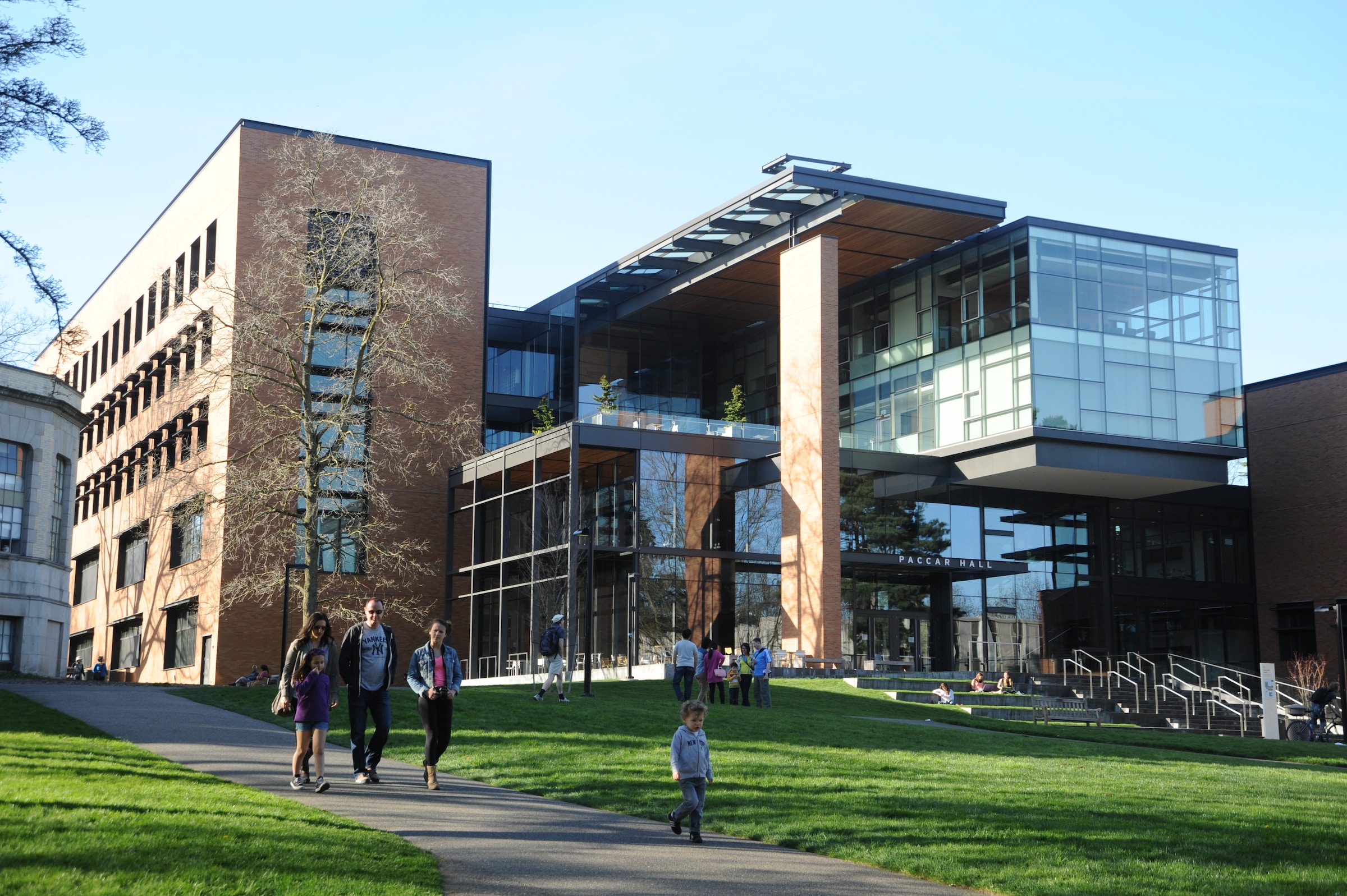
Universities effectively function as micro-cities, bringing together classrooms, offices, lecture halls, sports facilities, specialist labs, research centres, student accommodation and shared public spaces. Their properties also span a wide age range, with new, state-of-the-art facilities often sitting alongside older heritage structures. While an FM strategy might be replicated floor by floor in a conventional office block, the unique mix of spaces on university campuses demands a far more tailored and flexible approach.
Campuses also bring together a variety of stakeholders. Research departments want their facilities to produce high-quality results, while governing bodies, under growing pressure to meet ambitious sustainability targets, favour financial performance and ecological responsibility. In contrast, academic faculties prioritise student experience and educational outcomes. Balancing these objectives presents a constant challenge for estates managers; they must maintain spaces that support student results and world-class research, while controlling operational costs and environmental impact.
Adding to the challenge, university occupancy rates are rarely consistent. Even during summer when they are supposedly at their quietest, numbers can rapidly surge as graduation ceremonies draw in thousands of students and their families. Without closely monitoring fluctuating occupancy patterns and adjusting asset output accordingly, estates teams risk wasting substantial amounts of energy and money.
Ultimately, managing such complexity requires FM strategies that are just as multifaceted as campuses themselves. By tuning their approach to a university’s major financial, environmental, regulatory and academic objectives, teams can deliver meaningful improvements across their estates.
Running what you need, when you need it
The British higher education sector is facing a challenging financial period. Due to slow post-pandemic recovery rates and a decline in high fee-paying international students, many institutions have been forced to streamline their operational costs. A recent Universities UK survey found half of its respondents cutting certain courses, with 60 per cent also stripping back on repairs and maintenance.
This makes cost awareness a priority for the sector’s FMs, something that agile and occupancy-mirroring solutions contribute towards. Rather than allowing the building management system (BMS) to run on fixed schedules, they can be linked with a department’s academic timetables, space-booking systems and research cycles. With the rise in online learning, some lecture theatres now face empty periods for more time during the day, demanding less from heating, ventilation and air conditioning (HVAC) systems and lighting units. During certain days, these spaces may not need activating at all.
Reducing daily system output also extends asset lifecycles and minimises the need for emergency repairs. The Office for Students currently predicts that the combined annual site maintenance costs for higher education providers will rise by £33 million over the next three years. However, this could be mitigated if more streamlined, occupancy-sensitive FM strategies were implemented across the sector.
An eco-conscious strategy for each building
Environmental performance is also a focus for many universities. Alongside growing government and union pressure, sustainability has become a key point of interest for many prospective students. Research by SustainabilityOnline shows that 78 per cent of students would now choose a university with strong green credentials over one ranked highly for academic outcomes.
The first step in meeting these demands is to ditch a one-size-fits-all approach to building management. Applying blanket strategies across such varied portfolios only leads to energy waste and higher Scope 1 and 2 emissions, leaving institutions with overstated net-zero claims and weaker standings in environmental performance rankings.
Instead, a building-specific strategy that reflect the diverse energy demands across a campus is essential. Specialist research labs require high and consistent output to maintain precise conditions, while sports halls can operate at lower levels for much of the year. It’s often that natural heat is generated when they’re in use.
Property age is another key variable. Older structures are often incompatible with modern BMS and computer-aided facility management (CAFM) technology and therefore require far more manual oversight to maintain standards. Newer facilities, in contrast, can often integrate easier with smart, data-driven systems, enabling greater automation and optimisation.
Leveraging predictive and reactive tools
University buildings operate under some of the strictest regulatory standards in the education sector. In specialist testing centres and laboratories, even small lapses in temperature control disrupt operations, damage samples and invalidate results. Beyond initial non-compliance fines, failures like these can jeopardise future opportunities for funding, as well as industry partnerships and accreditations.
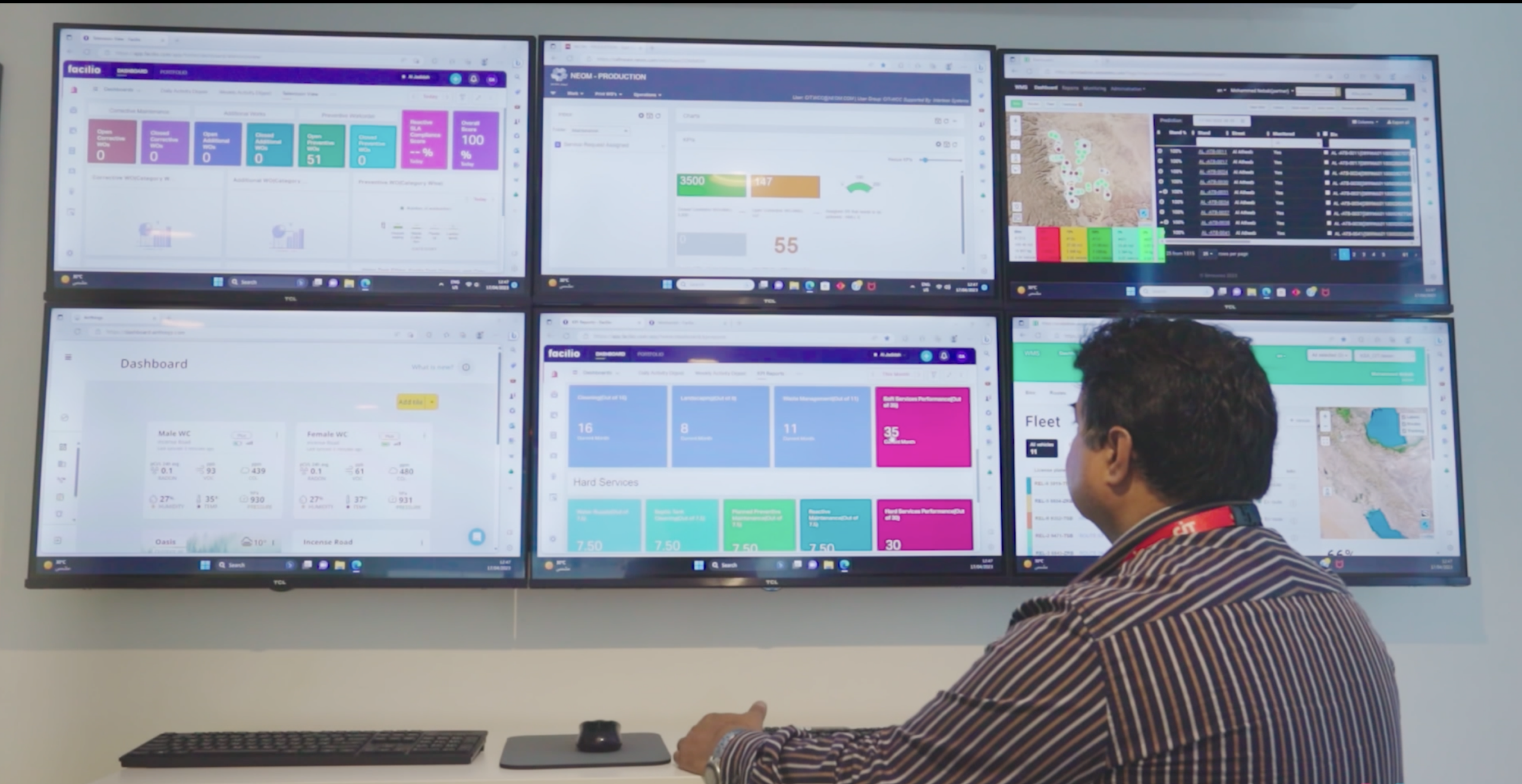
Predictive maintenance helps to prevent such issues before they escalate. Using precise sensors and real-time data tracking devices, facilities teams can detect subtle deviations in temperature, ventilation, air pressure and acoustics output and adjust them accordingly. This reduces asset downtime and ensures critical compliance thresholds are consistently met.
When faults do inevitably occur, clear communication channels are essential for optimising response times. Many now prefer accessible and easy-to-use reporting tools, such as mobile messaging or chat-based helpdesks. For lab technicians overseeing sensitive research projects, however, more formal escalation procedures should be provided – direct calls to estates control rooms or named contacts for urgent repairs.
Spaces geared towards student satisfaction and performance
Above all, university campuses should support strong academic outcomes. FM certainly has a role to play here, as shown by various reports on the effect of poor indoor environmental conditions on productivity. One recent study observed a significant drop in cognitive performance when indoor temperatures moved beyond the recognised comfort zone, specifically at 15ºC and 27ºC.
A human-centred FM approach is key to achieving this, especially demonstrated during assessment periods. When sports facilities are transformed into temporary exam halls, their indoor conditions must shift to reflect a different type of occupancy. Rather than running around in these spaces, students will be seated for extended periods of time. HVAC and lighting settings should be recalibrated for comfort, with indoor air quality and noise control evaluated well in advance.
Feedback loops must also be simple and ongoing. Accessible tools such as QR codes and more conversational check-ins with students and staff help in capturing issues early and informing necessary adjustments.
When it comes to managing successful and efficient university campuses:
- Develop bespoke solutions for each building type: To maximise energy savings and drive sustainable performance, a flexible strategy that respects the unique circumstances of each facility is essential. Energy-intensive and compliance-critical spaces need tightly controlled FM regimes, while offices, lecture theatres and sports halls can operate under more flexible, occupancy-led scheduling.
- Work closely with academic departments: Feed timetable data, space-booking information and research cycles into your BMS or CAFM systems so that asset output aligns with real-time use. This also shows you when facilities are in their lowest-activity periods, effectively highlighting the most suitable times for planned maintenance.
- Know your end users: Provide accessible, varied channels for students and staff to report issues and continuously give feedback. This helps you understand how spaces are used, speeds up maintenance responses and strengthens overall trust in your services.
University estates are inherently complex, but not unmanageable. By aligning FM practices with each building’s requirements, live occupancy patterns and different stakeholder demands, the complexity can be transformed into an operational strength, delivering well-rounded performance across the entire estate.
 Channel Islands


 Accessibility