Lucy Hayes, HR Director at Q3, shares her thoughts on the UK’s Employment Rights Act 2025

This new Act is set to bring some of the most significant changes to UK employment law in a generation, and for FM, it represents a mix of welcome improvements and practical challenges. From a people perspective, many of the changes are long overdue. Giving employees day-one rights for sick pay and family leave, alongside earlier protection from unfair dismissal at six months, will provide much-needed security for a workforce that is largely operational and customer-facing.

For people in FM roles, these changes are a real step forward in giving employees the support and security they deserve. Day-one rights for sick pay and family leave, along with earlier protection from unfair dismissal, mean employees can focus on their wellbeing and their work with confidence. This isnโ€™t just beneficial for individuals though; it strengthens teams and helps ensure smooth, reliable service. When employees feel secure and valued, everyone benefits.

The Act also reinforces the importance of fairness and trust in the workplace. Ending โ€œfire and rehireโ€ practices and putting clearer expectations around dismissal procedures encourages businesses to step up their people management. At Q3, fairness, transparency and respect have always been central to how we manage our teams, so we wholeheartedly support the intent of this legislation. Employees knowing their rights, and that they will be upheld, helps build a stronger, more loyal workforce.

Itโ€™s important to consider both sides of the coin, however. The ban on zero-hours contracts, for example, removes a level of flexibility that can work well for both employers and employees when used responsibly. In a sector where demand can fluctuate daily, that flexibility is often vital. Then thereโ€™s the cost side: sick pay, parental leave, and other entitlements come with real financial implications, particularly in an industry like FM. We could see recruitment becoming more cautious, especially for entry-level roles, which could slow workforce mobility and even affect operations.

Thereโ€™s also a practical element. Every business will need to review contracts, policies and procedures to ensure compliance. For smaller providers, that can place a real strain on time and resources. The intention behind the Act is unquestionably positive, but the realities for FM businesses need careful consideration if these changes are going to work in practice.

Overall, the Act is a step in the right direction for employees, and at Q3, weโ€™re proud to already operate with fairness and transparency at the heart of what we do. At the same time, I hope policymakers continue to engage with our sector so that businesses can remain sustainable while delivering the protections and security employees rightly expect. The direction is right, but the sectorโ€™s unique challenges must not be overlooked.

Complex Campuses – Competitive Advantage

Facilities management on university campuses: turning complexity into an organisational strength

An opinion piece by Mark Hazelwood, MD of Q3’s IFM business, written originally for Campus Estate Management (January 2026)

Universities are highly complex environments, shaped by diverse building types, competing stakeholder needs and fluctuating occupancy patterns. Mark Hazelwood, managing director IFM/technical Services at Q3 Services, explains how modern facilities management (FM) tools can help universities navigate this by optimising energy use and sustainability performance, strengthening compliance and enhancing the everyday campus experience.

The university estate as a unique FM challenge

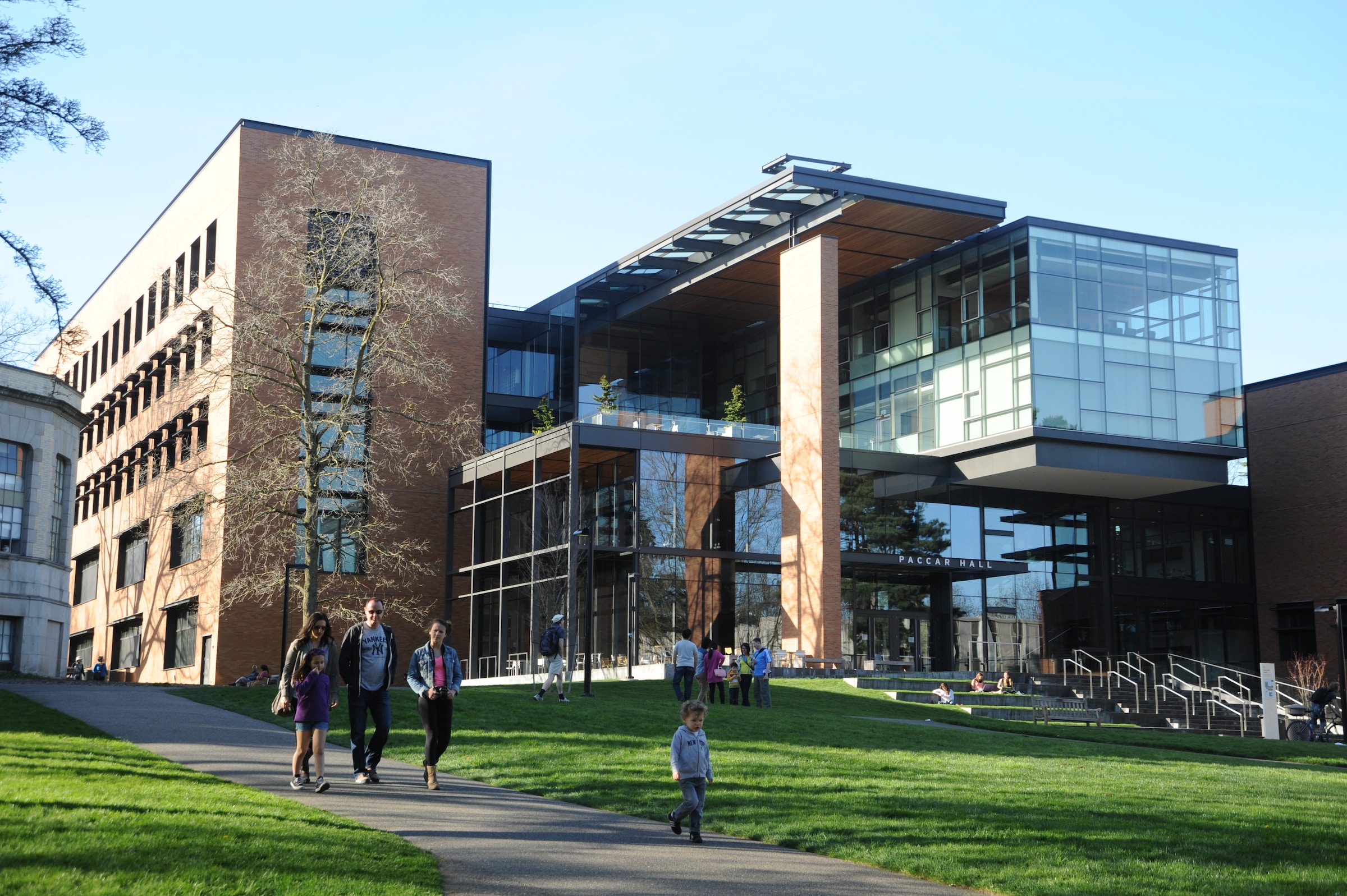
Universities effectively function as micro-cities, bringing together classrooms, offices, lecture halls, sports facilities, specialist labs, research centres, student accommodation and shared public spaces. Their properties also span a wide age range, with new, state-of-the-art facilities often sitting alongside older heritage structures. While an FM strategy might be replicated floor by floor in a conventional office block, the unique mix of spaces on university campuses demands a far more tailored and flexible approach.

Campuses also bring together a variety of stakeholders. Research departments want their facilities to produce high-quality results, while governing bodies, under growing pressure to meet ambitious sustainability targets, favour financial performance and ecological responsibility. In contrast, academic faculties prioritise student experience and educational outcomes. Balancing these objectives presents a constant challenge for estates managers; they must maintain spaces that support student results and world-class research, while controlling operational costs and environmental impact.

Adding to the challenge, university occupancy rates are rarely consistent. Even during summer when they are supposedly at their quietest, numbers can rapidly surge as graduation ceremonies draw in thousands of students and their families. Without closely monitoring fluctuating occupancy patterns and adjusting asset output accordingly, estates teams risk wasting substantial amounts of energy and money.

Ultimately, managing such complexity requires FM strategies that are just as multifaceted as campuses themselves. By tuning their approach to a universityโ€™s major financial, environmental, regulatory and academic objectives, teams can deliver meaningful improvements across their estates.

Running what you need, when you need it

The British higher education sector is facing a challenging financial period. Due to slow post-pandemic recovery rates and a decline in high fee-paying international students, many institutions have been forced to streamline their operational costs. A recent Universities UK survey found half of its respondents cutting certain courses, with 60 per cent also stripping back on repairs and maintenance.

This makes cost awareness a priority for the sectorโ€™s FMs, something that agile and occupancy-mirroring solutions contribute towards. Rather than allowing the building management system (BMS) to run on fixed schedules, they can be linked with a departmentโ€™s academic timetables, space-booking systems and research cycles. With the rise in online learning, some lecture theatres now face empty periods for more time during the day, demanding less from heating, ventilation and air conditioning (HVAC) systems and lighting units. During certain days, these spaces may not need activating at all.

Reducing daily system output also extends asset lifecycles and minimises the need for emergency repairs. The Office for Students currently predicts that the combined annual site maintenance costs for higher education providers will rise by ยฃ33 million over the next three years. However, this could be mitigated if more streamlined, occupancy-sensitive FM strategies were implemented across the sector.

An eco-conscious strategy for each building

Environmental performance is also a focus for many universities. Alongside growing government and union pressure, sustainability has become a key point of interest for many prospective students. Research by SustainabilityOnline shows that 78 per cent of students would now choose a university with strong green credentials over one ranked highly for academic outcomes.

The first step in meeting these demands is to ditch a one-size-fits-all approach to building management. Applying blanket strategies across such varied portfolios only leads to energy waste and higher Scope 1 and 2 emissions, leaving institutions with overstated net-zero claims and weaker standings in environmental performance rankings.

Instead, a building-specific strategy that reflect the diverse energy demands across a campus is essential. Specialist research labs require high and consistent output to maintain precise conditions, while sports halls can operate at lower levels for much of the year. Itโ€™s often that natural heat is generated when theyโ€™re in use.

Property age is another key variable. Older structures are often incompatible with modern BMS and computer-aided facility management (CAFM) technology and therefore require far more manual oversight to maintain standards. Newer facilities, in contrast, can often integrate easier with smart, data-driven systems, enabling greater automation and optimisation.

Leveraging predictive and reactive tools

University buildings operate under some of the strictest regulatory standards in the education sector. In specialist testing centres and laboratories, even small lapses in temperature control disrupt operations, damage samples and invalidate results. Beyond initial non-compliance fines, failures like these can jeopardise future opportunities for funding, as well as industry partnerships and accreditations.

Predictive maintenance helps to prevent such issues before they escalate. Using precise sensors and real-time data tracking devices, facilities teams can detect subtle deviations in temperature, ventilation, air pressure and acoustics output and adjust them accordingly. This reduces asset downtime and ensures critical compliance thresholds are consistently met.

When faults do inevitably occur, clear communication channels are essential for optimising response times. Many now prefer accessible and easy-to-use reporting tools, such as mobile messaging or chat-based helpdesks. For lab technicians overseeing sensitive research projects, however, more formal escalation procedures should be provided โ€“ direct calls to estates control rooms or named contacts for urgent repairs.

Spaces geared towards student satisfaction and performance

Above all, university campuses should support strong academic outcomes. FM certainly has a role to play here, as shown by various reports on the effect of poor indoor environmental conditions on productivity. One recent study observed a significant drop in cognitive performance when indoor temperatures moved beyond the recognised comfort zone, specifically at 15ยบC and 27ยบC.

A human-centred FM approach is key to achieving this, especially demonstrated during assessment periods. When sports facilities are transformed into temporary exam halls, their indoor conditions must shift to reflect a different type of occupancy. Rather than running around in these spaces, students will be seated for extended periods of time. HVAC and lighting settings should be recalibrated for comfort, with indoor air quality and noise control evaluated well in advance.

Feedback loops must also be simple and ongoing. Accessible tools such as QR codes and more conversational check-ins with students and staff help in capturing issues early and informing necessary adjustments.

When it comes to managing successful and efficient university campuses:

  • Develop bespoke solutions for each building type: To maximise energy savings and drive sustainable performance, a flexible strategy that respects the unique circumstances of each facility is essential. Energy-intensive and compliance-critical spaces need tightly controlled FM regimes, while offices, lecture theatres and sports halls can operate under more flexible, occupancy-led scheduling.
  • Work closely with academic departments: Feed timetable data, space-booking information and research cycles into your BMS or CAFM systems so that asset output aligns with real-time use. This also shows you when facilities are in their lowest-activity periods, effectively highlighting the most suitable times for planned maintenance.
  • Know your end users: Provide accessible, varied channels for students and staff to report issues and continuously give feedback. This helps you understand how spaces are used, speeds up maintenance responses and strengthens overall trust in your services.

University estates are inherently complex, but not unmanageable. By aligning FM practices with each buildingโ€™s requirements, live occupancy patterns and different stakeholder demands, the complexity can be transformed into an operational strength, delivering well-rounded performance across the entire estate.


Q-who? You cannot create experience – you have to undergo it!

Albert Camus once said, โ€œYou cannot create experience. You must undergo it.” And there arenโ€™t many in the FM industry with more experience than Luis Lopes!

Luis is Q3โ€™s Operations Director and was one of the original team when the business was formed in 2018. However, his experience in the industry goes way back to 1989 when he arrived from his native Portugal and got a job as a cleaner with a well-known cleaning company of that time, called Ramoneur. The company provided the first step on his career in FM and even helped him open his first bank account, with ยฃ1 to his name.

From there Luis progressed with Lancaster cleaning through a series of promotions, to be site supervisor, area supervisor and finally, area manager.

Then things really took an upward swing when he joined Cleanevent. Here, and later with Mitieโ€™s specialist events and leisure division, he would be responsible for some iconic venues including Ascot Racecourse, Cheltenham Racecourse, Aintree Racecourse, Newmarket Racecourse, Tottenham Hotspur F.C., Arsenal F.C., Fulham F.C., Chelsea F.C., Aston Villa F.C., Twickenham Stadium, Wembley Stadium, Silverstone Circuit, Cheltenham Racecourse, Odyssey Arena, O2 Arena, Buckingham Palace, Tower of London, and Farnborough Air Show. That would look pretty good on anyoneโ€™s cv!!!

As well as managing cleaning on big-event days, there was also the day-to-day cleaning for the various conferences and meetings that these venues hosted to supplement their revenue, as well as out-of-season, deep clean projects. Luis learned how to be flexible, switching from the routine one day, to ramping up for the big-game events the next.

His management style, based on fostering close client relationships, goes right back to the lessons he learnt at that time. Regular face-to-face meetings to check clients were happy with the quality of service deliver, KPI performance, check H&S and compliance, and so on โ€“ exactly as he works today.
Luis will always build his diary around quality time with clients, making sure the relationship is good and that thereโ€™s a happy ship and crew. He still loves working in this FM business because every day is different and relationship building with many different clients and operatives is what keeps him stimulated and on his toes. But dealing with a challenging client, or a difficult member of staff, can still present a challenge, and heโ€™s not afraid to set aside his usual friendly demeanour, play hard ball and make some tough decisions.

Having worked for both big and small FM companies, allows Luis to see things from two very different perspectives. For some clients, the big brand players can be a bit โ€œmarmiteโ€, with lots of red tape, and it can be hard to get quick decisions. Small companies sometimes struggle with resource and to convince clients they have the ability and scale to do a job. But with Q3, he has the benefit of the experience from both ends of the industry and the autonomy to make things happen.

He loves nothing better than applying all those years of experience to tackle a situation and improve the way things are done, increase productivity, reduce costs, and get results.

โ€œExperience beats knowledge every time!โ€ is one of his favourite sayings.

As Q3 has evolved over the last 8 years, there have been openings and opportunities for Luis as the company has grown. That particular experience has been one of his favourite times, because in Luisโ€™s own words, โ€œItโ€™s been awesome to be part of the journey

CAFM is a game-changer, but only when you get it right

Mark Hazelwood shares some lessons on making sure your CAFM deployment is a game-changer and not an expensive IT software failure.

Implementing CAFM platforms can be a real game-changer, yet too often I see organisations rolling them out without making the essential investment that really drives value: the data. A CAFM system, no matter how sophisticated, is only ever as effective as the quality of the information it holds, and the culture that surrounds its use. When we implement CAFM, we treat it as a living, breathing ecosystem. That means making sure everyone involved in the FM service โ€“ clients, internal teams, suppliers โ€“ use it as their single source of truth. If tasks are still being tracked in Excel or email, then the whole point has been missed. Everything must happen within the system.

Weโ€™ve seen the added value it offers in action through our contract with Maximus, a specialist service organisation for health and employability, where we cover over 160 locations across the UK. More than 90% of all service calls are logged directly via our CAFM portal. Maximus donโ€™t need to spend time calling or emailing, as they engage with us entirely through the platform. Costs are authorised, data is shared, and reporting is live and fully interactive. We donโ€™t rely on third-party tools or portals; itโ€™s all native to the system.

Integration is key. Weโ€™ve connected our CAFM with finance systems, IoT sensors for real-time fault detection, and compliance tools like SFG20. We also use Facilitiesline to monitor supplier accreditations, getting live alerts if anything changes, from expired insurance to health and safety issues. It means we’re not just ticking boxes; weโ€™re operating proactively and with full visibility.

Security is another priority. Given recent high-profile breaches reported in the media, our clients need absolute assurance that their data is safe. Our CAFM is securely hosted and architected with enterprise-level information security in mind.

Lastly, we believe in doing right by the client. Too many providers hand over a CSV file at the end of a contract and call it a day. We take a different view. Our contracts allow clients to transfer ownership of the live system itself. They donโ€™t lose continuity or insight, but retain a working, live environment. Itโ€™s about integrity, transparency, and long-term thinking. The way I see it, CAFM is not just a tool but a strategic investment in data, and when you get it right, it transforms how FM can be delivered.


Q3 contract extension at Chelsea Harbour

Q3 has renewed its longstanding relationship at Chelsea Harbour, through a two-year extension to its contract with this unique multi-use, development alongside the Thames in west London.

The extended contract will run until September 2028, making it ten years since Q3 first secured the M&E contract at Chelsea Harbour, shortly after the company was formed in 2018.ย  Q3 has subsequently increased its scope of activity to cover cleaning, M&E, residential cleaning and waste, events management and marina maintenance

At the core of Chelsea Harbour is the renowned Design Centre, Europeโ€™s premier interior design and retail hub, with over 120 showrooms, 600 international brands, and hosting five high-profile, annual events, including London Design Week and WOW!house. Add to that, 160,000 square feet of office space, a luxury five-star hotel, a marina with 80 berths, parking for more than 1,000 vehicles, and 310 exclusive residential apartments, and you quickly realise it requires a very flexible and proactive approach to Facilities Management!

Commenting on the award, the Chelsea Harbour organisation said of their relationship with Q3: โ€œWe are delighted to award this contract extension to Q3. We donโ€™t have to push with Q3 because theyโ€™re already there. Theyโ€™re happy to have the dialogue, tweak the model, the contract, the cost, the apportionment. Service levels have been reliably good, and they work consistently to introduce innovation, maintain real living wage and keep costs down.โ€

Stuart Bellew, COO at Q3 said, โ€œThe onsite team is looking forward to another two years working on this amazing contract. Itโ€™s been an important part of our history and development, and we look forward to moving on to the next stage together.โ€

How apprenticeships help transform careers

In the second of our Apprenticeship Week features exploring the experience of apprenticeships in FM, we talk to Georgie Nettleton who is Q3โ€™s Estates and Facilities Administrator at the Catapult โ€“ Westcott Centre contract

Georgie first joined us via an agency appointment in August 2024, before becoming a full-time employee the following November.

This is the story of her experienceโ€ฆ

โ€œI would be the first to admit that I had not heard of Facilities Management before I took on this role, but I certainly know what it is now! When I took the step from agency to full-time with Q3, the idea of completing the apprenticeship was part of the discussion and I was not sure that it was something I really wanted to do.

I bought into it on the basis that it would broaden my understanding of the demands of the role, and the ways of working of both the client organisation and Q3. The great thing is that the learning experience is totally unlike school or college and tailored completely around my role.

The process is totally different. There are monthly workshops with my tutor and projects and tasks which I pick up and complete alongside my normal working week. Also, the apprenticeship is not exam based which is good, because I never really like exams at school. I get to present my project at each stage, and the workshops are linked to what I do.

Research has enabled me to interact with many different stakeholders, including finance, governance team, and carbon management, where I have been involved in utility bill analysis as part of our sustainability reporting. Some projects meant speaking to other people in the business to get first-hand knowledge on particular subjects. All this has given me so much confidence in dealing with people and working as part of a team.

One interesting area was learning about PESTEL and how Political, Economic, Social, Technological, Environmental and Legal factors affect the business operation.

Where all this takes me is probably too early to say. Iโ€™m taking it one step at a time but would like to incorporate my interest in photography and graphic design in some future role.

What I can say is that I have thoroughly enjoyed doing the apprenticeship, learning new skills and realising real value in what I have learned.”

Here’s some feedback for Georgie from her manager Jayne Lilley, who has seen the impact of the the apprenticeship programme, first hand.

“Since first meeting Georgie in September 2024, Iโ€™ve seen her flourish both personally and professionally.

She began as a quiet and shy member of the team, not always confident in herself, but she has truly transformed. Itโ€™s like watching a closed flower open – she has grown beautifully.

Throughout her apprenticeship, her confidence has increased noticeably. She is productive, conscientious, and approaches every task with a positive attitude. Georgie takes everything in her stride and is always willing to learn.

It has been genuinely lovely to see her growth and development over the past months, and Iโ€™m excited to see her continue to thrive.”

Flourishing apprenticeships at Q3

As part of Apprenticeship Week 2026, we have been talking to Q3’s Jayne Lilley about her experience being as an apprentice

Jayne is Assistant Facilities Manager for Q3 on one of Catapult Satellite Applicationโ€™s key sites, the Westcott Space Cluster.

Alongside her day-to-day duties, sheโ€™s also been undertaking IWFMโ€™s Level 3 qualification in Facilities Management Supervisor. With 12 years of practical experience in the industry already under her belt, what did she think she would gain from an apprenticeship?

Her is her take on itโ€ฆ

โ€œ๐˜”๐˜บ ๐˜ซ๐˜ฐ๐˜ถ๐˜ณ๐˜ฏ๐˜ฆ๐˜บ ๐˜ต๐˜ฉ๐˜ณ๐˜ฐ๐˜ถ๐˜จ๐˜ฉ ๐˜ฎ๐˜บ ๐˜“๐˜ฆ๐˜ท๐˜ฆ๐˜ญ 3 ๐˜๐˜ข๐˜ค๐˜ช๐˜ญ๐˜ช๐˜ต๐˜ช๐˜ฆ๐˜ด ๐˜”๐˜ข๐˜ฏ๐˜ข๐˜จ๐˜ฆ๐˜ฎ๐˜ฆ๐˜ฏ๐˜ต ๐˜š๐˜ถ๐˜ฑ๐˜ฆ๐˜ณ๐˜ท๐˜ช๐˜ด๐˜ฐ๐˜ณ ๐˜ข๐˜ฑ๐˜ฑ๐˜ณ๐˜ฆ๐˜ฏ๐˜ต๐˜ช๐˜ค๐˜ฆ๐˜ด๐˜ฉ๐˜ช๐˜ฑ ๐˜ฉ๐˜ข๐˜ด ๐˜ฃ๐˜ฆ๐˜ฆ๐˜ฏ ๐˜ฃ๐˜ฐ๐˜ต๐˜ฉ ๐˜ณ๐˜ฆ๐˜ธ๐˜ข๐˜ณ๐˜ฅ๐˜ช๐˜ฏ๐˜จ ๐˜ข๐˜ฏ๐˜ฅ ๐˜ค๐˜ฐ๐˜ฏ๐˜ง๐˜ช๐˜ฅ๐˜ฆ๐˜ฏ๐˜ค๐˜ฆ ๐˜ฃ๐˜ถ๐˜ช๐˜ญ๐˜ฅ๐˜ช๐˜ฏ๐˜จ.

๐˜ ๐˜ฉ๐˜ข๐˜ท๐˜ฆ ๐˜ฃ๐˜ฆ๐˜ฆ๐˜ฏ ๐˜ฐ๐˜ฏ ๐˜ต๐˜ฉ๐˜ฆ ๐˜ฑ๐˜ณ๐˜ฐ๐˜จ๐˜ณ๐˜ข๐˜ฎ๐˜ฎ๐˜ฆ ๐˜ง๐˜ฐ๐˜ณ ๐˜ซ๐˜ถ๐˜ด๐˜ต ๐˜ฐ๐˜ท๐˜ฆ๐˜ณ ๐˜ข ๐˜บ๐˜ฆ๐˜ข๐˜ณ ๐˜ข๐˜ฏ๐˜ฅ ๐˜ฉ๐˜ข๐˜ท๐˜ฆ ๐˜ฏ๐˜ฐ๐˜ธ ๐˜ณ๐˜ฆ๐˜ข๐˜ค๐˜ฉ๐˜ฆ๐˜ฅ ๐˜ฎ๐˜บ ๐˜Œ๐˜ฏ๐˜ฅ ๐˜—๐˜ฐ๐˜ช๐˜ฏ๐˜ต ๐˜ˆ๐˜ด๐˜ด๐˜ฆ๐˜ด๐˜ด๐˜ฎ๐˜ฆ๐˜ฏ๐˜ต.

๐˜๐˜ฏ๐˜ช๐˜ต๐˜ช๐˜ข๐˜ญ๐˜ญ๐˜บ, ๐˜ ๐˜ธ๐˜ข๐˜ด ๐˜ณ๐˜ฆ๐˜ญ๐˜ถ๐˜ค๐˜ต๐˜ข๐˜ฏ๐˜ต ๐˜ต๐˜ฐ ๐˜ด๐˜ต๐˜ข๐˜ณ๐˜ต ๐˜ข๐˜ฏ ๐˜ข๐˜ฑ๐˜ฑ๐˜ณ๐˜ฆ๐˜ฏ๐˜ต๐˜ช๐˜ค๐˜ฆ๐˜ด๐˜ฉ๐˜ช๐˜ฑ ๐˜ฅ๐˜ถ๐˜ฆ ๐˜ต๐˜ฐ ๐˜ฑ๐˜ข๐˜ด๐˜ต ๐˜ฆ๐˜น๐˜ฑ๐˜ฆ๐˜ณ๐˜ช๐˜ฆ๐˜ฏ๐˜ค๐˜ฆ๐˜ด ๐˜ข๐˜ต ๐˜ด๐˜ค๐˜ฉ๐˜ฐ๐˜ฐ๐˜ญ ๐˜ข๐˜ฏ๐˜ฅ ๐˜ข ๐˜ง๐˜ฆ๐˜ข๐˜ณ ๐˜ฐ๐˜ง ๐˜ฆ๐˜น๐˜ข๐˜ฎ๐˜ด ๐˜ข๐˜ฏ๐˜ฅ ๐˜ต๐˜ณ๐˜ข๐˜ฅ๐˜ช๐˜ต๐˜ช๐˜ฐ๐˜ฏ๐˜ข๐˜ญ ๐˜ญ๐˜ฆ๐˜ข๐˜ณ๐˜ฏ๐˜ช๐˜ฏ๐˜จ ๐˜ฆ๐˜ฏ๐˜ท๐˜ช๐˜ณ๐˜ฐ๐˜ฏ๐˜ฎ๐˜ฆ๐˜ฏ๐˜ต๐˜ด. ๐˜ ๐˜ข๐˜ด๐˜ด๐˜ฐ๐˜ค๐˜ช๐˜ข๐˜ต๐˜ฆ๐˜ฅ ๐˜ญ๐˜ฆ๐˜ข๐˜ณ๐˜ฏ๐˜ช๐˜ฏ๐˜จ ๐˜ธ๐˜ช๐˜ต๐˜ฉ ๐˜ต๐˜ช๐˜ฎ๐˜ฆ๐˜ฅ ๐˜ฆ๐˜น๐˜ข๐˜ฎ๐˜ด ๐˜ข๐˜ฏ๐˜ฅ ๐˜ข๐˜ฏ๐˜ด๐˜ธ๐˜ฆ๐˜ณ๐˜ช๐˜ฏ๐˜จ ๐˜ฒ๐˜ถ๐˜ฆ๐˜ด๐˜ต๐˜ช๐˜ฐ๐˜ฏ๐˜ด ๐˜ถ๐˜ฏ๐˜ฅ๐˜ฆ๐˜ณ ๐˜ฑ๐˜ณ๐˜ฆ๐˜ด๐˜ด๐˜ถ๐˜ณ๐˜ฆ, ๐˜ธ๐˜ฉ๐˜ช๐˜ค๐˜ฉ ๐˜ ๐˜ฅ๐˜ช๐˜ฅ ๐˜ฏ๐˜ฐ๐˜ต ๐˜ฆ๐˜ฏ๐˜ซ๐˜ฐ๐˜บ, ๐˜ข๐˜ฏ๐˜ฅ ๐˜ ๐˜ข๐˜ด๐˜ด๐˜ถ๐˜ฎ๐˜ฆ๐˜ฅ ๐˜ต๐˜ฉ๐˜ฆ ๐˜ข๐˜ฑ๐˜ฑ๐˜ณ๐˜ฆ๐˜ฏ๐˜ต๐˜ช๐˜ค๐˜ฆ๐˜ด๐˜ฉ๐˜ช๐˜ฑ ๐˜ธ๐˜ฐ๐˜ถ๐˜ญ๐˜ฅ ๐˜ฃ๐˜ฆ ๐˜ต๐˜ฉ๐˜ฆ ๐˜ด๐˜ข๐˜ฎ๐˜ฆ.

๐˜๐˜ฐ๐˜ธ๐˜ฆ๐˜ท๐˜ฆ๐˜ณ, ๐˜ข๐˜ง๐˜ต๐˜ฆ๐˜ณ ๐˜ฅ๐˜ช๐˜ด๐˜ค๐˜ถ๐˜ด๐˜ด๐˜ช๐˜ฏ๐˜จ ๐˜ต๐˜ฉ๐˜ฆ ๐˜ฑ๐˜ณ๐˜ฐ๐˜ค๐˜ฆ๐˜ด๐˜ด ๐˜ธ๐˜ช๐˜ต๐˜ฉ ๐˜ฎ๐˜บ ๐˜ต๐˜ถ๐˜ต๐˜ฐ๐˜ณ, ๐˜ ๐˜ฅ๐˜ฆ๐˜ค๐˜ช๐˜ฅ๐˜ฆ๐˜ฅ ๐˜ต๐˜ฐ ๐˜ง๐˜ข๐˜ค๐˜ฆ ๐˜ฎ๐˜บ ๐˜ง๐˜ฆ๐˜ข๐˜ณ๐˜ด, ๐˜ข๐˜ฏ๐˜ฅ ๐˜ ๐˜ข๐˜ฎ ๐˜ด๐˜ฐ ๐˜จ๐˜ญ๐˜ข๐˜ฅ ๐˜ ๐˜ฅ๐˜ช๐˜ฅ. ๐˜›๐˜ฉ๐˜ฆ ๐˜ข๐˜ฑ๐˜ฑ๐˜ณ๐˜ฆ๐˜ฏ๐˜ต๐˜ช๐˜ค๐˜ฆ๐˜ด๐˜ฉ๐˜ช๐˜ฑ ๐˜ฉ๐˜ข๐˜ด ๐˜ฃ๐˜ฆ๐˜ฆ๐˜ฏ ๐˜ค๐˜ฐ๐˜ฎ๐˜ฑ๐˜ญ๐˜ฆ๐˜ต๐˜ฆ๐˜ญ๐˜บ ๐˜ฅ๐˜ช๐˜ง๐˜ง๐˜ฆ๐˜ณ๐˜ฆ๐˜ฏ๐˜ต ๐˜ง๐˜ณ๐˜ฐ๐˜ฎ ๐˜ธ๐˜ฉ๐˜ข๐˜ต ๐˜ ๐˜ฆ๐˜น๐˜ฑ๐˜ฆ๐˜ค๐˜ต๐˜ฆ๐˜ฅ.

๐˜›๐˜ฉ๐˜ฆ ๐˜ญ๐˜ฆ๐˜ข๐˜ณ๐˜ฏ๐˜ช๐˜ฏ๐˜จ ๐˜ช๐˜ด ๐˜ธ๐˜ฐ๐˜ณ๐˜ฌ๐˜ด๐˜ฉ๐˜ฐ๐˜ฑ ๐˜ฃ๐˜ข๐˜ด๐˜ฆ๐˜ฅ, ๐˜ธ๐˜ช๐˜ต๐˜ฉ ๐˜ฑ๐˜ณ๐˜ข๐˜ค๐˜ต๐˜ช๐˜ค๐˜ข๐˜ญ ๐˜ต๐˜ข๐˜ด๐˜ฌ๐˜ด ๐˜ง๐˜ฐ๐˜ญ๐˜ญ๐˜ฐ๐˜ธ๐˜ช๐˜ฏ๐˜จ ๐˜ฆ๐˜ข๐˜ค๐˜ฉ ๐˜ด๐˜ฆ๐˜ด๐˜ด๐˜ช๐˜ฐ๐˜ฏ, ๐˜ต๐˜ข๐˜ช๐˜ญ๐˜ฐ๐˜ณ๐˜ฆ๐˜ฅ ๐˜ต๐˜ฐ ๐˜ฅ๐˜ช๐˜ง๐˜ง๐˜ฆ๐˜ณ๐˜ฆ๐˜ฏ๐˜ต ๐˜ญ๐˜ฆ๐˜ข๐˜ณ๐˜ฏ๐˜ช๐˜ฏ๐˜จ ๐˜ด๐˜ต๐˜บ๐˜ญ๐˜ฆ๐˜ด ๐˜ข๐˜ฏ๐˜ฅ ๐˜ค๐˜ฐ๐˜ฎ๐˜ฑ๐˜ญ๐˜ฆ๐˜ต๐˜ฆ๐˜ฅ ๐˜ช๐˜ฏ ๐˜บ๐˜ฐ๐˜ถ๐˜ณ ๐˜ฐ๐˜ธ๐˜ฏ ๐˜ต๐˜ช๐˜ฎ๐˜ฆ ๐˜ธ๐˜ช๐˜ต๐˜ฉ๐˜ช๐˜ฏ ๐˜ด๐˜ฆ๐˜ต ๐˜ฅ๐˜ฆ๐˜ข๐˜ฅ๐˜ญ๐˜ช๐˜ฏ๐˜ฆ๐˜ด. ๐˜›๐˜ฉ๐˜ฆ ๐˜ฑ๐˜ณ๐˜ฐ๐˜ซ๐˜ฆ๐˜ค๐˜ต๐˜ด ๐˜ข๐˜ญ๐˜ด๐˜ฐ ๐˜ข๐˜ญ๐˜ญ๐˜ฐ๐˜ธ ๐˜ฎ๐˜ฆ ๐˜ต๐˜ฐ ๐˜ช๐˜ฏ๐˜ต๐˜ฆ๐˜ณ๐˜ข๐˜ค๐˜ต ๐˜ธ๐˜ช๐˜ต๐˜ฉ ๐˜ฐ๐˜ต๐˜ฉ๐˜ฆ๐˜ณ ๐˜˜3 ๐˜ฑ๐˜ฆ๐˜ฐ๐˜ฑ๐˜ญ๐˜ฆ ๐˜ข๐˜ณ๐˜ฐ๐˜ถ๐˜ฏ๐˜ฅ ๐˜ต๐˜ฉ๐˜ฆ ๐˜ฃ๐˜ถ๐˜ด๐˜ช๐˜ฏ๐˜ฆ๐˜ด๐˜ด ๐˜ธ๐˜ฉ๐˜ฐ ๐˜ค๐˜ข๐˜ฏ ๐˜ด๐˜ฉ๐˜ข๐˜ณ๐˜ฆ ๐˜ต๐˜ฉ๐˜ฆ๐˜ช๐˜ณ ๐˜ท๐˜ข๐˜ญ๐˜ถ๐˜ข๐˜ฃ๐˜ญ๐˜ฆ ๐˜ด๐˜ฑ๐˜ฆ๐˜ค๐˜ช๐˜ข๐˜ญ๐˜ช๐˜ด๐˜ต ๐˜ฌ๐˜ฏ๐˜ฐ๐˜ธ๐˜ญ๐˜ฆ๐˜ฅ๐˜จ๐˜ฆ ๐˜ฐ๐˜ฏ ๐˜ต๐˜ฉ๐˜ฆ ๐˜ด๐˜ถ๐˜ฃ๐˜ซ๐˜ฆ๐˜ค๐˜ต๐˜ด ๐˜ ๐˜ข๐˜ฎ ๐˜ต๐˜ข๐˜ค๐˜ฌ๐˜ญ๐˜ช๐˜ฏ๐˜จ.

๐˜›๐˜ฉ๐˜ฆ ๐˜Œ๐˜ฏ๐˜ฅ ๐˜—๐˜ฐ๐˜ช๐˜ฏ๐˜ต ๐˜ˆ๐˜ด๐˜ด๐˜ฆ๐˜ด๐˜ด๐˜ฎ๐˜ฆ๐˜ฏ๐˜ต ๐˜ช๐˜ด ๐˜ฑ๐˜ณ๐˜ฐ๐˜ซ๐˜ฆ๐˜ค๐˜ต ๐˜ข๐˜ฏ๐˜ฅ ๐˜ฑ๐˜ณ๐˜ฆ๐˜ด๐˜ฆ๐˜ฏ๐˜ต๐˜ข๐˜ต๐˜ช๐˜ฐ๐˜ฏ ๐˜ฃ๐˜ข๐˜ด๐˜ฆ๐˜ฅ, ๐˜ณ๐˜ข๐˜ต๐˜ฉ๐˜ฆ๐˜ณ ๐˜ต๐˜ฉ๐˜ข๐˜ฏ ๐˜ข๐˜ฏ ๐˜ฆ๐˜น๐˜ข๐˜ฎ, ๐˜ธ๐˜ฉ๐˜ช๐˜ค๐˜ฉ ๐˜ฎ๐˜ข๐˜ฅ๐˜ฆ ๐˜ต๐˜ฉ๐˜ฆ ๐˜ฑ๐˜ณ๐˜ฐ๐˜ค๐˜ฆ๐˜ด๐˜ด ๐˜ง๐˜ข๐˜ณ ๐˜ฎ๐˜ฐ๐˜ณ๐˜ฆ ๐˜ฆ๐˜ฏ๐˜จ๐˜ข๐˜จ๐˜ช๐˜ฏ๐˜จ ๐˜ข๐˜ฏ๐˜ฅ ๐˜ข๐˜ค๐˜ค๐˜ฆ๐˜ด๐˜ด๐˜ช๐˜ฃ๐˜ญ๐˜ฆ.

๐˜ ๐˜ฉ๐˜ข๐˜ท๐˜ฆ ๐˜ต๐˜ฉ๐˜ฐ๐˜ณ๐˜ฐ๐˜ถ๐˜จ๐˜ฉ๐˜ญ๐˜บ ๐˜ฆ๐˜ฏ๐˜ซ๐˜ฐ๐˜บ๐˜ฆ๐˜ฅ ๐˜ต๐˜ฉ๐˜ช๐˜ด ๐˜ฏ๐˜ฆ๐˜ธ ๐˜ธ๐˜ข๐˜บ ๐˜ฐ๐˜ง ๐˜ญ๐˜ฆ๐˜ข๐˜ณ๐˜ฏ๐˜ช๐˜ฏ๐˜จ ๐˜ข๐˜ฏ๐˜ฅ ๐˜ข๐˜ฑ๐˜ฑ๐˜ณ๐˜ฆ๐˜ค๐˜ช๐˜ข๐˜ต๐˜ฆ๐˜ฅ ๐˜ต๐˜ฉ๐˜ฆ ๐˜ด๐˜ถ๐˜ฑ๐˜ฑ๐˜ฐ๐˜ณ๐˜ต ๐˜ฑ๐˜ณ๐˜ฐ๐˜ท๐˜ช๐˜ฅ๐˜ฆ๐˜ฅ ๐˜ต๐˜ฉ๐˜ณ๐˜ฐ๐˜ถ๐˜จ๐˜ฉ๐˜ฐ๐˜ถ๐˜ต ๐˜ต๐˜ฉ๐˜ฆ ๐˜ฑ๐˜ณ๐˜ฐ๐˜จ๐˜ณ๐˜ข๐˜ฎ๐˜ฎ๐˜ฆ.

๐˜™๐˜ฆ๐˜ข๐˜ค๐˜ฉ๐˜ช๐˜ฏ๐˜จ ๐˜ต๐˜ฉ๐˜ช๐˜ด ๐˜ด๐˜ต๐˜ข๐˜จ๐˜ฆ ๐˜ฉ๐˜ข๐˜ด ๐˜ด๐˜ฉ๐˜ฐ๐˜ธ๐˜ฏ ๐˜ฎ๐˜ฆ ๐˜ต๐˜ฉ๐˜ข๐˜ต ๐˜ญ๐˜ฆ๐˜ข๐˜ณ๐˜ฏ๐˜ช๐˜ฏ๐˜จ ๐˜ฅ๐˜ฐ๐˜ฆ๐˜ด ๐˜ฏ๐˜ฐ๐˜ต ๐˜ฉ๐˜ข๐˜ท๐˜ฆ ๐˜ต๐˜ฐ ๐˜ฃ๐˜ฆ ๐˜ฐ๐˜ฏ๐˜ฆ ๐˜ด๐˜ช๐˜ป๐˜ฆ ๐˜ง๐˜ช๐˜ต๐˜ด ๐˜ข๐˜ญ๐˜ญ. ๐˜ˆ๐˜ฏ๐˜ฅ ๐˜ช๐˜ตโ€™๐˜ด ๐˜ฏ๐˜ฆ๐˜ท๐˜ฆ๐˜ณ ๐˜ต๐˜ฐ๐˜ฐ ๐˜ญ๐˜ข๐˜ต๐˜ฆ ๐˜ต๐˜ฐ ๐˜ด๐˜ต๐˜ข๐˜ณ๐˜ต ๐˜ญ๐˜ฆ๐˜ข๐˜ณ๐˜ฏ๐˜ช๐˜ฏ๐˜จ.
๐˜ ๐˜ธ๐˜ฐ๐˜ถ๐˜ญ๐˜ฅ ๐˜ด๐˜ต๐˜ณ๐˜ฐ๐˜ฏ๐˜จ๐˜ญ๐˜บ ๐˜ณ๐˜ฆ๐˜ค๐˜ฐ๐˜ฎ๐˜ฎ๐˜ฆ๐˜ฏ๐˜ฅ ๐˜ด๐˜ฑ๐˜ฆ๐˜ข๐˜ฌ๐˜ช๐˜ฏ๐˜จ ๐˜ธ๐˜ช๐˜ต๐˜ฉ ๐˜บ๐˜ฐ๐˜ถ๐˜ณ ๐˜ต๐˜ถ๐˜ต๐˜ฐ๐˜ณ ๐˜ฃ๐˜ฆ๐˜ง๐˜ฐ๐˜ณ๐˜ฆ ๐˜ด๐˜ต๐˜ข๐˜ณ๐˜ต๐˜ช๐˜ฏ๐˜จ, ๐˜ข๐˜ด ๐˜ต๐˜ฉ๐˜ฆ๐˜ณ๐˜ฆ ๐˜ข๐˜ณ๐˜ฆ ๐˜ฎ๐˜ข๐˜ฏ๐˜บ ๐˜ง๐˜ญ๐˜ฆ๐˜น๐˜ช๐˜ฃ๐˜ญ๐˜ฆ ๐˜ข๐˜ฏ๐˜ฅ ๐˜ด๐˜ถ๐˜ฑ๐˜ฑ๐˜ฐ๐˜ณ๐˜ต๐˜ช๐˜ท๐˜ฆ ๐˜ธ๐˜ข๐˜บ๐˜ด ๐˜ต๐˜ฐ ๐˜ญ๐˜ฆ๐˜ข๐˜ณ๐˜ฏ. ๐˜Š๐˜ฐ๐˜ฎ๐˜ฑ๐˜ญ๐˜ฆ๐˜ต๐˜ช๐˜ฏ๐˜จ ๐˜ต๐˜ฉ๐˜ช๐˜ด ๐˜ข๐˜ฑ๐˜ฑ๐˜ณ๐˜ฆ๐˜ฏ๐˜ต๐˜ช๐˜ค๐˜ฆ๐˜ด๐˜ฉ๐˜ช๐˜ฑ ๐˜ฉ๐˜ข๐˜ด ๐˜จ๐˜ช๐˜ท๐˜ฆ๐˜ฏ ๐˜ฎ๐˜ฆ ๐˜ฏ๐˜ฆ๐˜ธ ๐˜ด๐˜ฌ๐˜ช๐˜ญ๐˜ญ๐˜ด, ๐˜ค๐˜ฐ๐˜ฏ๐˜ง๐˜ช๐˜ฅ๐˜ฆ๐˜ฏ๐˜ค๐˜ฆ, ๐˜ข๐˜ฏ๐˜ฅ ๐˜ฎ๐˜ฐ๐˜ต๐˜ช๐˜ท๐˜ข๐˜ต๐˜ช๐˜ฐ๐˜ฏ ๐˜ต๐˜ฐ ๐˜ฆ๐˜น๐˜ฑ๐˜ญ๐˜ฐ๐˜ณ๐˜ฆ ๐˜ง๐˜ถ๐˜ต๐˜ถ๐˜ณ๐˜ฆ ๐˜ฐ๐˜ฑ๐˜ฑ๐˜ฐ๐˜ณ๐˜ต๐˜ถ๐˜ฏ๐˜ช๐˜ต๐˜ช๐˜ฆ๐˜ด, ๐˜ข๐˜ฏ๐˜ฅ ๐˜ ๐˜ข๐˜ฎ ๐˜ฆ๐˜น๐˜ต๐˜ณ๐˜ฆ๐˜ฎ๐˜ฆ๐˜ญ๐˜บ ๐˜ฑ๐˜ญ๐˜ฆ๐˜ข๐˜ด๐˜ฆ๐˜ฅ ๐˜ ๐˜ต๐˜ฐ๐˜ฐ๐˜ฌ ๐˜ต๐˜ฉ๐˜ช๐˜ด ๐˜ซ๐˜ฐ๐˜ถ๐˜ณ๐˜ฏ๐˜ฆ๐˜บ ๐˜ต๐˜ฐ ๐˜ฅ๐˜ฆ๐˜ท๐˜ฆ๐˜ญ๐˜ฐ๐˜ฑ ๐˜ฎ๐˜บ๐˜ด๐˜ฆ๐˜ญ๐˜ง.โ€

This is what John Smith, Trainer and Assessor at Learnmore reckons on Jayne’s progress…

“๐˜ ๐˜ฉ๐˜ข๐˜ท๐˜ฆ ๐˜ฏ๐˜ฐ๐˜ต๐˜ฆ๐˜ฅ ๐˜ข ๐˜ค๐˜ญ๐˜ฆ๐˜ข๐˜ณ ๐˜ช๐˜ฎ๐˜ฑ๐˜ณ๐˜ฐ๐˜ท๐˜ฆ๐˜ฎ๐˜ฆ๐˜ฏ๐˜ต ๐˜ช๐˜ฏ ๐˜‘๐˜ข๐˜บ๐˜ฏ๐˜ฆโ€™๐˜ด ๐˜ด๐˜ฌ๐˜ช๐˜ญ๐˜ญ๐˜ด ๐˜ข๐˜ฏ๐˜ฅ ๐˜ฌ๐˜ฏ๐˜ฐ๐˜ธ๐˜ญ๐˜ฆ๐˜ฅ๐˜จ๐˜ฆ ๐˜ต๐˜ฉ๐˜ณ๐˜ฐ๐˜ถ๐˜จ๐˜ฉ๐˜ฐ๐˜ถ๐˜ต ๐˜ฉ๐˜ฆ๐˜ณ ๐˜ข๐˜ฑ๐˜ฑ๐˜ณ๐˜ฆ๐˜ฏ๐˜ต๐˜ช๐˜ค๐˜ฆ๐˜ด๐˜ฉ๐˜ช๐˜ฑ, ๐˜ฏ๐˜ฐ๐˜ต ๐˜ฐ๐˜ฏ๐˜ญ๐˜บ ๐˜ต๐˜ฉ๐˜ช๐˜ด ๐˜ฃ๐˜ถ๐˜ต ๐˜ ๐˜ฉ๐˜ข๐˜ท๐˜ฆ ๐˜ด๐˜ฆ๐˜ฆ๐˜ฏ ๐˜ต๐˜ฉ๐˜ฆ ๐˜จ๐˜ณ๐˜ฐ๐˜ธ๐˜ต๐˜ฉ ๐˜ช๐˜ฏ ๐˜ฉ๐˜ฆ๐˜ณ ๐˜ค๐˜ฐ๐˜ฏ๐˜ง๐˜ช๐˜ฅ๐˜ฆ๐˜ฏ๐˜ค๐˜ฆ ๐˜ธ๐˜ช๐˜ต๐˜ฉ ๐˜ฆ๐˜ท๐˜ฆ๐˜ณ๐˜บ ๐˜ต๐˜ข๐˜ด๐˜ฌ ๐˜ด๐˜ฆ๐˜ต.

๐˜š๐˜ฉ๐˜ฆ ๐˜ช๐˜ด ๐˜ฏ๐˜ฐ๐˜ธ ๐˜ฎ๐˜ถ๐˜ค๐˜ฉ ๐˜ฎ๐˜ฐ๐˜ณ๐˜ฆ ๐˜ค๐˜ฐ๐˜ฏ๐˜ง๐˜ช๐˜ฅ๐˜ฆ๐˜ฏ๐˜ต ๐˜ธ๐˜ฉ๐˜ฆ๐˜ฏ ๐˜ค๐˜ฐ๐˜ฎ๐˜ฎ๐˜ถ๐˜ฏ๐˜ช๐˜ค๐˜ข๐˜ต๐˜ช๐˜ฏ๐˜จ ๐˜ธ๐˜ช๐˜ต๐˜ฉ ๐˜ข๐˜ญ๐˜ญ ๐˜ต๐˜บ๐˜ฑ๐˜ฆ๐˜ด ๐˜ฐ๐˜ง ๐˜ด๐˜ต๐˜ข๐˜ฌ๐˜ฆ๐˜ฉ๐˜ฐ๐˜ญ๐˜ฅ๐˜ฆ๐˜ณ๐˜ด ๐˜ข๐˜ฏ๐˜ฅ ๐˜ธ๐˜ช๐˜ต๐˜ฉ ๐˜ฎ๐˜บ๐˜ด๐˜ฆ๐˜ญ๐˜ง.

๐˜‘๐˜ข๐˜บ๐˜ฏ๐˜ฆโ€™๐˜ด ๐˜ฑ๐˜ณ๐˜ฐ๐˜จ๐˜ณ๐˜ฆ๐˜ด๐˜ด ๐˜ข๐˜ฏ๐˜ฅ ๐˜ญ๐˜ฆ๐˜ข๐˜ณ๐˜ฏ๐˜ฆ๐˜ณ ๐˜ซ๐˜ฐ๐˜ถ๐˜ณ๐˜ฏ๐˜ฆ๐˜บ ๐˜ฉ๐˜ข๐˜ด ๐˜ข๐˜ญ๐˜ด๐˜ฐ ๐˜ด๐˜ฉ๐˜ฐ๐˜ธ๐˜ฏ ๐˜ค๐˜ฐ๐˜ฎ๐˜ฎ๐˜ช๐˜ต๐˜ฎ๐˜ฆ๐˜ฏ๐˜ต ๐˜ต๐˜ฐ ๐˜ฉ๐˜ฆ๐˜ณ ๐˜ฑ๐˜ฆ๐˜ณ๐˜ด๐˜ฐ๐˜ฏ๐˜ข๐˜ญ ๐˜ฅ๐˜ฆ๐˜ท๐˜ฆ๐˜ญ๐˜ฐ๐˜ฑ๐˜ฎ๐˜ฆ๐˜ฏ๐˜ต ๐˜ฃ๐˜ฐ๐˜ต๐˜ฉ ๐˜ช๐˜ฏ ๐˜ฉ๐˜ฆ๐˜ณ ๐˜ข๐˜ฑ๐˜ฑ๐˜ณ๐˜ฆ๐˜ฏ๐˜ต๐˜ช๐˜ค๐˜ฆ๐˜ด๐˜ฉ๐˜ช๐˜ฑ ๐˜ข๐˜ฏ๐˜ฅ ๐˜ ๐˜ธ๐˜ฐ๐˜ถ๐˜ญ๐˜ฅ ๐˜ข๐˜ญ๐˜ด๐˜ฐ ๐˜ญ๐˜ช๐˜ฌ๐˜ฆ ๐˜ต๐˜ฐ ๐˜ต๐˜ฉ๐˜ช๐˜ฏ๐˜ฌ ๐˜ฉ๐˜ฆ๐˜ณ ๐˜ฑ๐˜ฆ๐˜ณ๐˜ด๐˜ฐ๐˜ฏ๐˜ข๐˜ญ ๐˜ญ๐˜ช๐˜ง๐˜ฆ.

๐˜š๐˜ฉ๐˜ฆ ๐˜ฉ๐˜ข๐˜ด ๐˜ค๐˜ฐ๐˜ฎ๐˜ฑ๐˜ญ๐˜ฆ๐˜ต๐˜ฆ๐˜ฅ ๐˜ต๐˜ฐ ๐˜Ž๐˜ข๐˜ต๐˜ฆ๐˜ธ๐˜ข๐˜บ ๐˜ช๐˜ฏ ๐˜ข ๐˜ต๐˜ช๐˜ฎ๐˜ฆ๐˜ญ๐˜บ ๐˜ง๐˜ข๐˜ด๐˜ฉ๐˜ช๐˜ฐ๐˜ฏ ๐˜ข๐˜ฏ๐˜ฅ ๐˜ฉ๐˜ข๐˜ด ๐˜ฏ๐˜ฆ๐˜ท๐˜ฆ๐˜ณ ๐˜ญ๐˜ฆ๐˜ต ๐˜ฉ๐˜ฆ๐˜ณ ๐˜ญ๐˜ฆ๐˜ข๐˜ณ๐˜ฏ๐˜ช๐˜ฏ๐˜จ ๐˜ฅ๐˜ช๐˜ง๐˜ง๐˜ช๐˜ค๐˜ถ๐˜ญ๐˜ต๐˜ช๐˜ฆ๐˜ด ๐˜ฉ๐˜ฐ๐˜ญ๐˜ฅ ๐˜ฉ๐˜ฆ๐˜ณ ๐˜ฃ๐˜ข๐˜ค๐˜ฌ ๐˜ง๐˜ณ๐˜ฐ๐˜ฎ ๐˜ฉ๐˜ฆ๐˜ณ ๐˜ฑ๐˜ฆ๐˜ณ๐˜ด๐˜ฐ๐˜ฏ๐˜ข๐˜ญ ๐˜ฅ๐˜ฆ๐˜ท๐˜ฆ๐˜ญ๐˜ฐ๐˜ฑ๐˜ฎ๐˜ฆ๐˜ฏ๐˜ต ๐˜ต๐˜ข๐˜ณ๐˜จ๐˜ฆ๐˜ต๐˜ด.”

Q3 engages ESG expert to drive sustainability agenda

Mayra Vivo-Torres is working with Q3 Services as a consultant to help deliver the companyโ€™s Net Zero, ESG and Social Value commitments.

With over 20 yearsโ€™ experience in these specialist areas, Mayra is a subject-matter expert who will not only be driving Q3โ€™s own ESG agenda, but also advising clients in a consultancy capacity on these increasingly, business-critical areas.

As well as her expertise in ESG strategy development, Mayra has a record of achieving environmental and social impact through implementing best practice and practical business solutions to achieve exacting business targets and goals.

Sustainability is an important pillar of Q3โ€™s value proposition and Mayraโ€™s involvement will strengthen our resource and capability and prove a valuable addition to the team.

New appointment at Chelsea Harbour

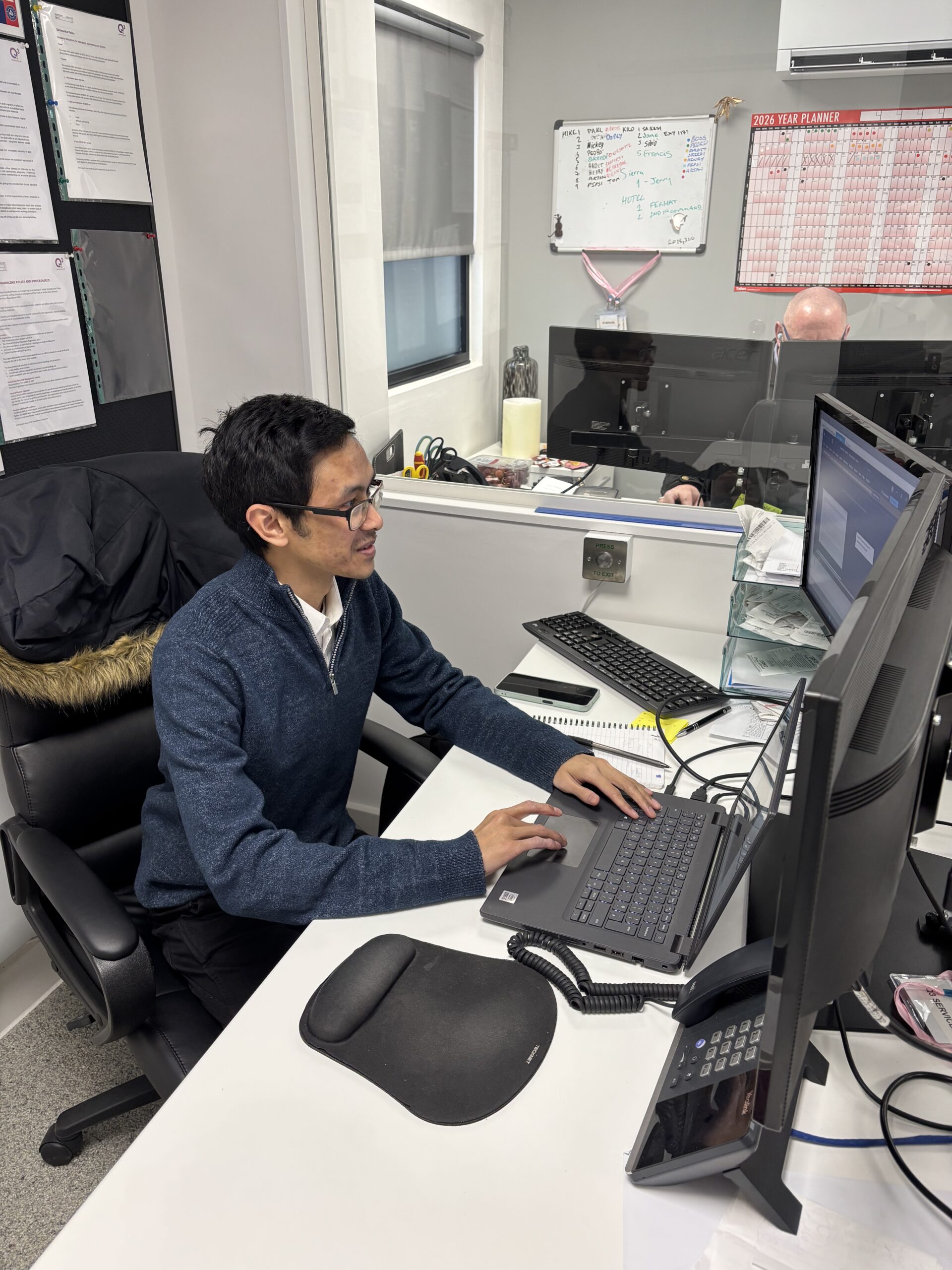
We extend a warm welcome to Ariff Khairuddin, who joins the Q3 team at Chelsea Harbour as Facilities Administrator.

This is his first full week in the job, and we wish him every future success on this flagship contract.

Ariff secured the role against strong competition, ahead of over 300 candidates who showed initial interest via an online recruitment advertisement.

However, by taking advantage our relationship with our client Maximus, who onboarded us as a strategic national employer account,ย  Q3 was able to tap into the resources of Maximus UK’s employability support through the Restart Scheme, to create a meaningful shortlist and find exactly the right candidate.

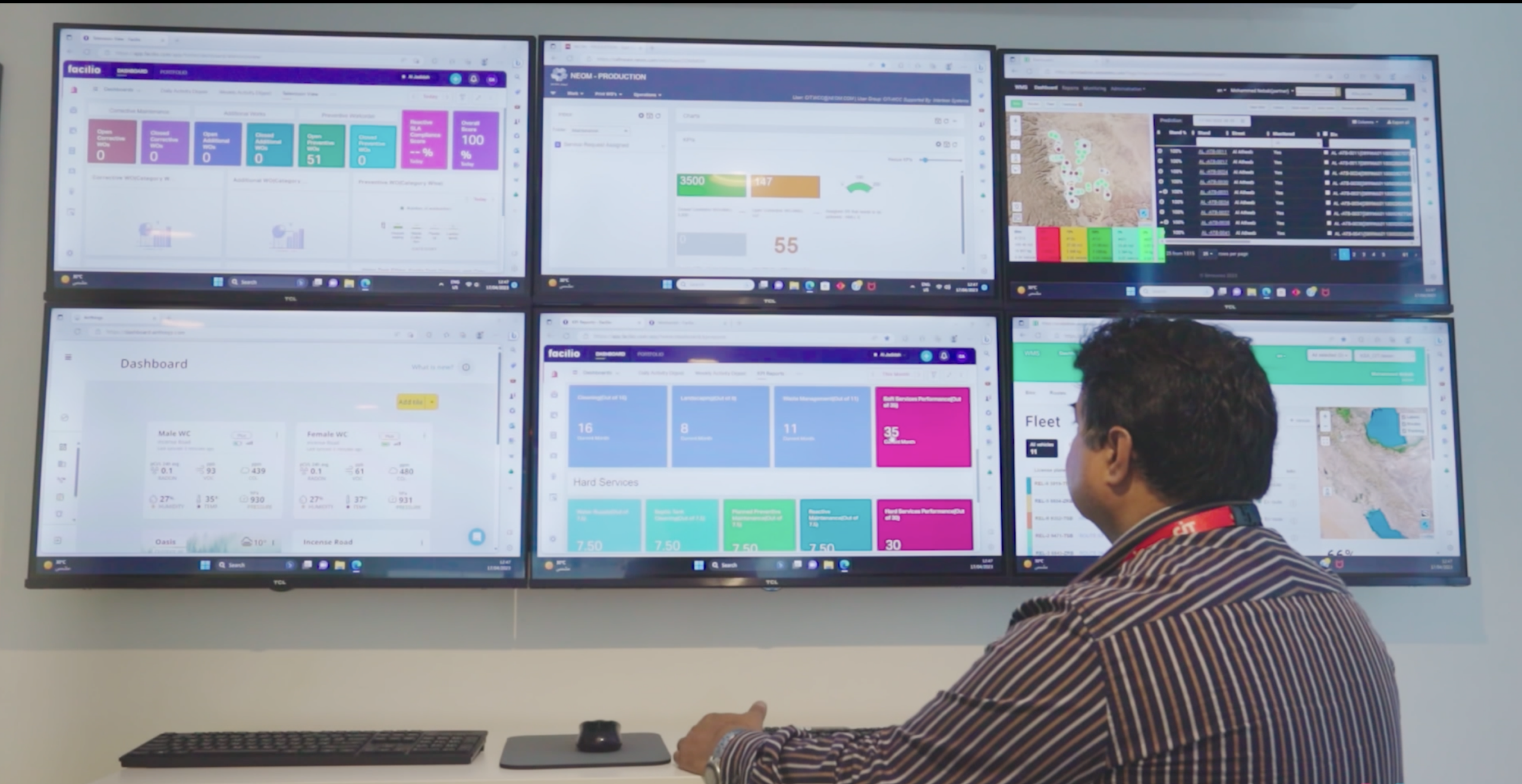
Interestingly, Ariff did not have any previous experience of the Facilities Management industry, but that was not important to us. Our job brief was very specific. At Chelsea Harbour, our entire contract runs extremely efficiently on the Facilio CAFM platform which has been customised and deployed to meet the entire needs of this unique, mixed-use, retail, office and residential site.

Ariffโ€™s experience and skillsets as a data analyst were exactly what we were looking for in a position that manages a massive data-driven operation, covering PPMs, compliance and a myriad of tasks each week.

Commenting on the appointment, Lucy Hayes HR director said, โ€œEmployability do a great job sourcing and vetting and ensuring we get a great fit for any role.โ€

Martin Spence, Account Manager for Maximus, said โ€œItโ€™s been a pleasure partnering with Q3 Services to support Ariff into a fantastic new role, one that truly has the potential to take his career to the next level. Itโ€™s another great reminder that businesses donโ€™t need to spend big on agency fees when talented individuals like Ariff are ready and waiting for the right opportunity.โ€

The future face of Cleaning: Why Technology Is Here to Elevate, Not Replace, People

The views of Alex Gavrilovic, sales director, Q3 Services.

When I look back over my career in the cleaning and FM sector, the one constant has been change. Technology and expectations have evolved at a pace I donโ€™t think any of us could have predicted when I first started out. Whatโ€™s been exciting is not just watching that evolution happen, but being part of it and, in small ways, helping to shape it.

Iโ€™ve always been interested in technology, long before it became the buzzword it is today. For me, tech has never been about shiny gadgets or innovation for innovationโ€™s sake. Itโ€™s about value. Over the years, Iโ€™ve seen the cleaning sector move from being largely manual and reactive to becoming increasingly data-led and measurable. Robotics, sensors, telemetry and smarter equipment have fundamentally changed whatโ€™s possible. Crucially, theyโ€™ve changed the conversation with clients. Weโ€™re no longer relying on perception or opinion alone, we can evidence performance, adjust in real time and design services around how buildings are actually used. That shift will only continue, and I think itโ€™s a very good thing for our industry.

Technology that adds real value

One of my biggest learning curves, though, had nothing to do with technology. It was understanding a deceptively simple question: what does โ€œcleanโ€ actually mean? Early on, I realised just how subjective cleaning is. Clean can mean different things depending on the environment, the materials, the time of inspection and the expectations of the person looking. That subjectivity has caused more friction in our industry than almost anything else. A big part of my journey has been trying to remove as much of that ambiguity as possible, to move from opinion to evidence. Whether thatโ€™s through measurable hygiene standards, data from equipment, or clearer conversations with clients, the goal has always been the same: make cleaning understandable and defensible.

Technology has helped enormously here. Tools that allow us to understand occupancy patterns or prove that a task has been completed take emotion out of the equation. They support our people, build trust with clients and raise standards across the board. Iโ€™m an early adopter by nature, but only when something genuinely adds value. If it doesnโ€™t work in practice, itโ€™s not innovation โ€“ itโ€™s noise.

Why Q3 felt right

That mindset is a big part of why Q3 felt like the natural next step for me. Q3 brings together experience from across the FM sector, but with a very deliberate philosophy to be better, be open and do the right thing. We set it up having learned from both the positives and frustrations of larger corporate environments. We wanted to build a business thatโ€™s agile, confident enough to put its profit at risk, and focused on delivery rather than excuses. Innovation at Q3 is about making life easier for clients and teams alike.

Looking ahead

I still believe the most successful innovations arenโ€™t always the flashiest. Often, theyโ€™re the ones that quietly work in the background, giving you better information and better outcomes. As the industry continues to change, thatโ€™s where I see the real opportunity, using technology thoughtfully to make cleaning more transparent, more professional and more valued. After all these years, thatโ€™s what still motivates me. Finding better ways to do a job that, when done properly, makes a genuine difference to peopleโ€™s everyday lives.