Channel Islands


 Accessibility
Planned Preventative Maintenance Services
Waiting for equipment to fail is rarely the most economical way to maintain a building. Reactive repairs can increase costs, interrupt operations and expose duty holders to avoidable compliance, insurance and reputational risk. Q3’s planned preventative maintenance services combine engineering expertise, planned schedules and technology-enabled reporting to protect assets, reduce downtime and provide a clear record of work completed. Delivered as a standalone service or within a wider facilities management contract, our PPM services are tailored to each building, portfolio and operational risk.
What a PPM Programme Covers
A Q3 programme begins with an asset register, risk profile and maintenance specification aligned to the building’s use, manufacturer guidance and applicable legal obligations. Planned tasks, frequencies, competencies and evidence requirements are then managed through a structured schedule.
- HVAC systems: Planned inspection, servicing, filter changes, controls checks and performance reviews ensure heating, ventilation and air-conditioning equipment operate reliably and efficiently. Refrigerant-based systems are managed in line with applicable F-Gas and competent-person requirements.
- Fire alarm and detection systems: Routine testing, inspection and servicing help duty holders maintain effective warning systems. Q3 captures service reports, certificates and remedial actions to support fire-safety governance and insurer or auditor enquiries.
- Emergency lighting: Functional checks and scheduled duration tests can be planned in line with the relevant fire-risk assessment, manufacturer instructions and BS 5266 guidance, with results and defects recorded.
- Electrical systems and installations: Programmes can cover fixed electrical installations, distribution boards, protective devices and general electrical plant. Inspection and testing are scheduled according to asset condition, use, risk and the relevant technical requirements, using appropriately competent engineers.
- Plumbing and water systems: Maintenance can include pumps, valves, outlets, tanks and temperature-monitoring tasks, supported where required by Legionella risk controls and an L8-aligned written scheme.
- Mechanical plant and building fabric: Q3 can incorporate pumps, motors, plant rooms, doors, roofs, drainage, guttering and other fabric assets, helping clients address deterioration before it causes disruption or consequential damage.
Statutory Compliance and the Legal Case for PPM
UK health and safety law requires employers and those in control of premises to manage risks and keep workplaces, equipment and systems safe. The precise duties and inspection frequencies depend on the asset, building type, location and risk assessment, with specific requirements applying to areas such as fire safety, gas installations, lifting equipment and water hygiene. A well-designed PPM programme turns those duties into controlled tasks with clear ownership and due dates.
Evidence is as important as activity. Service reports, inspection certificates, test results, defect logs and records of remedial work create the audit trail needed to demonstrate that risks are being managed. Q3 uses Facilio CAFM-supported workflows to schedule tasks, monitor completion, escalate exceptions and give clients real-time, accessible management information across their estate.
A reactive-only approach leaves safety-critical assets vulnerable to unplanned failure and makes budgets harder to control. Combining planned preventative maintenance with a responsive repair service reduces that exposure, supports business continuity and gives Facilities Directors clearer oversight of compliance and asset performance.
Who We Work With
Q3 delivers planned preventative maintenance services UK-wide for single buildings and multi-site portfolios across commercial offices, retail and leisure destinations, education, public-sector estates, data-led and other operationally demanding environments. We scale the delivery model, engineering resource and reporting structure to the estate, from a focused hard-services contract to fully integrated facilities management.
Check out our case study with Maximus https://www.q3services.co.uk/case-studies/maximus-case-study-ifm/ and also this great webinar on how data and digital work together in building maintenance: https://www.q3services.co.uk/how-data-and-digital-work-together-in-building-maintenance/
Talk to Us About Your Maintenance Requirements
If your PPM contract is approaching renewal, you are taking on a new building, an audit has exposed a compliance gap, or a critical asset needs a more reliable maintenance plan, talk to Q3. We will review your estate, priorities and current data, then shape a practical programme with clear responsibilities, reporting and mobilisation steps. Contact the Q3 team to start the conversation.

interested in working with us?
Q3 is a great business to work with and to work for. We were set up by a group of people motivated by experience to create a very different type of Facilities Management company. Here you’ll find out more about us and how we work. If that’s not enough, contact us
Our Services









Case Study
Here’s how Q3 works for other clients…
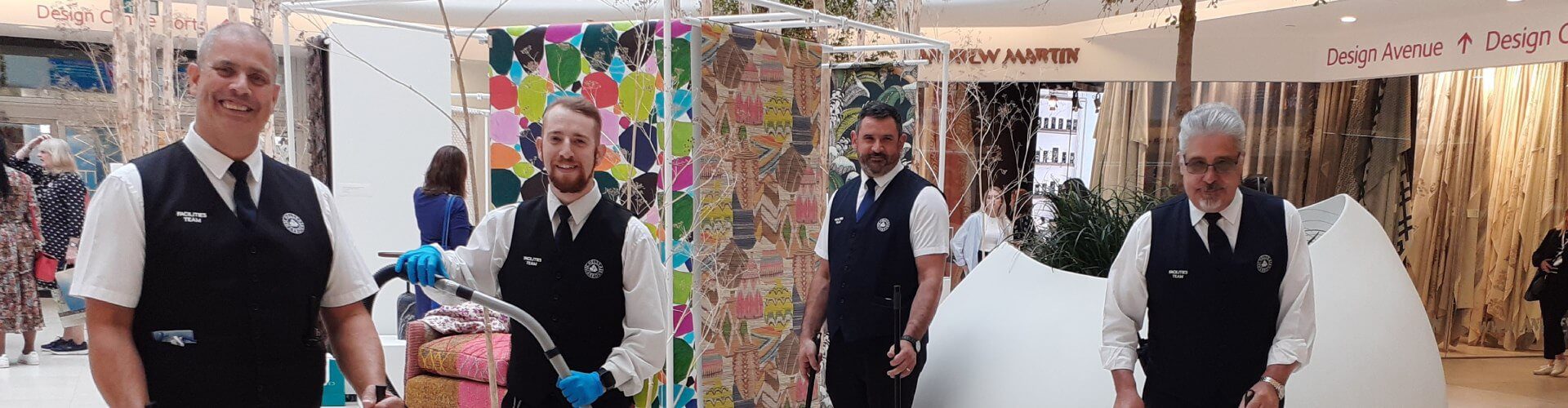
Chelsea Harbour
The Chelsea Harbour Estate lies on a 20-acre site in west London, adjacent to the Thames. At its heart sits The Design Centre, Chelsea Harbour, the largest interior design, retail and trade centre in Europe.
Read MoreChelsea Harbour
The Chelsea Harbour Estate lies on a 20-acre site in west London, adjacent to the Thames. At its heart sits The Design Centre, Chelsea Harbour, the largest interior design, retail and trade centre in Europe.
Read More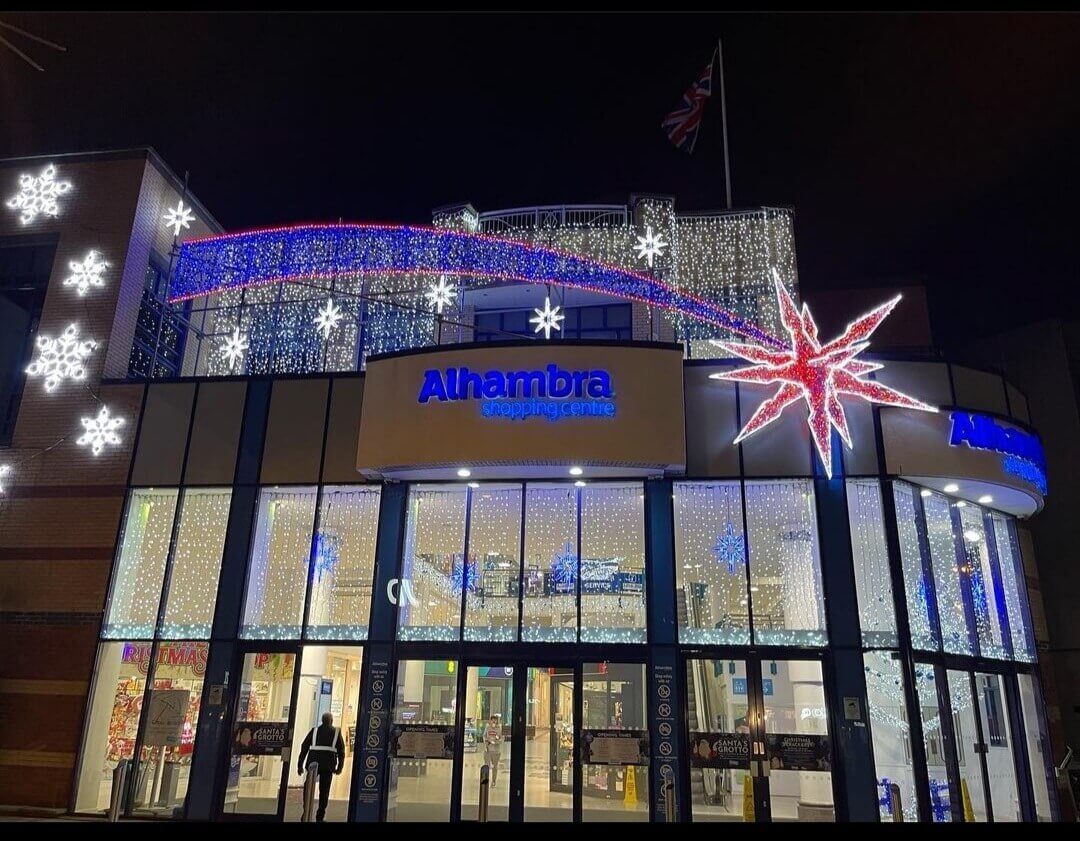
Alhambra Shopping Centre
The Alhambra Shopping Centre in the heart of Barnsley Town Centre, is a community hub with around 40 leading retail brand units and an annual footfall of over 6 million visitors.
Read MoreAlhambra Shopping Centre
The Alhambra Shopping Centre in the heart of Barnsley Town Centre, is a community hub with around 40 leading retail brand units and an annual footfall of over 6 million visitors.
Read More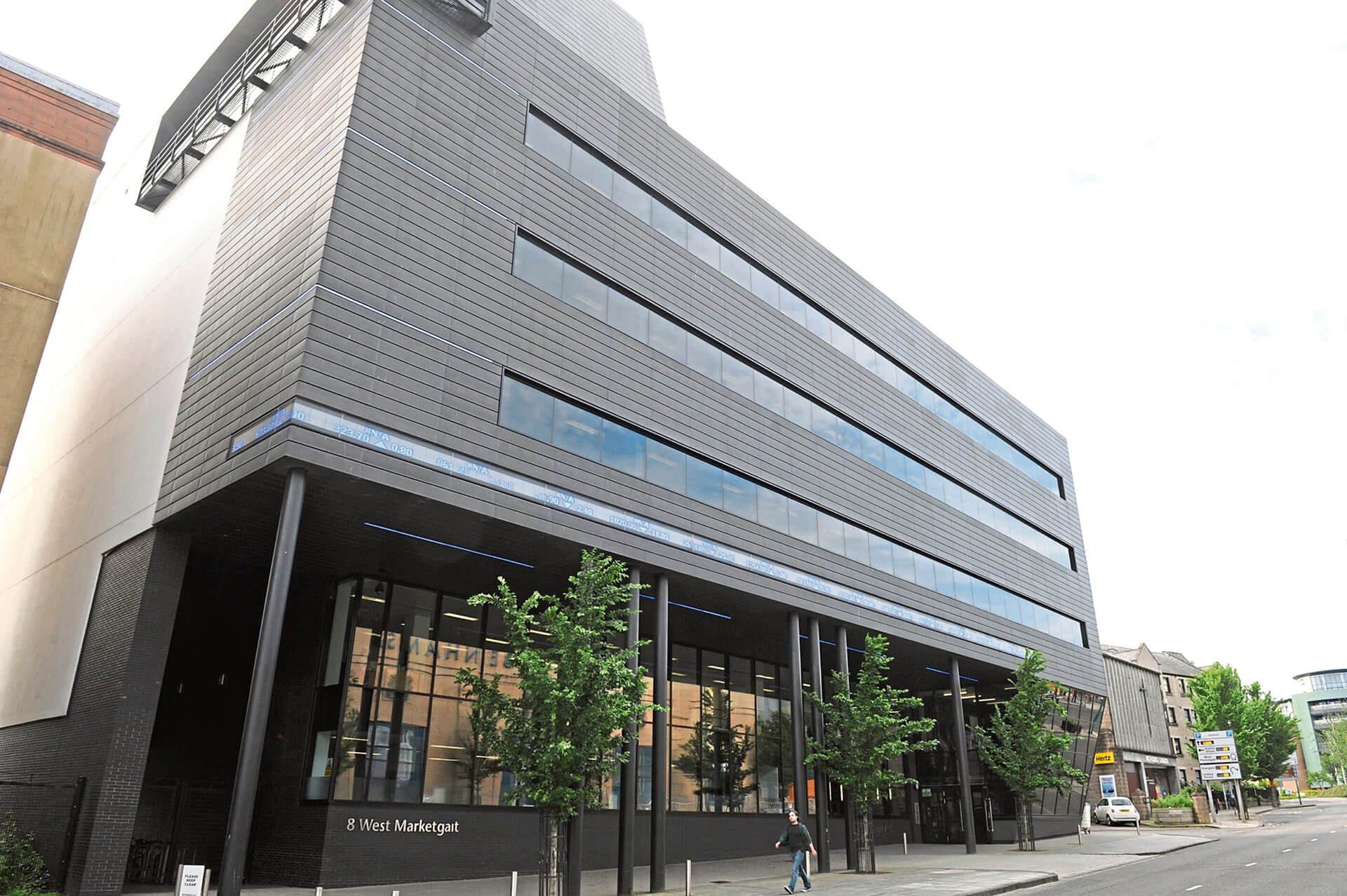
Embark Group
Embark Group is a fast-growing, diversified, financial services business and one of the largest retirement solutions providers in the UK.
Read MoreEmbark Group
Embark Group is a fast-growing, diversified, financial services business and one of the largest retirement solutions providers in the UK.
Read More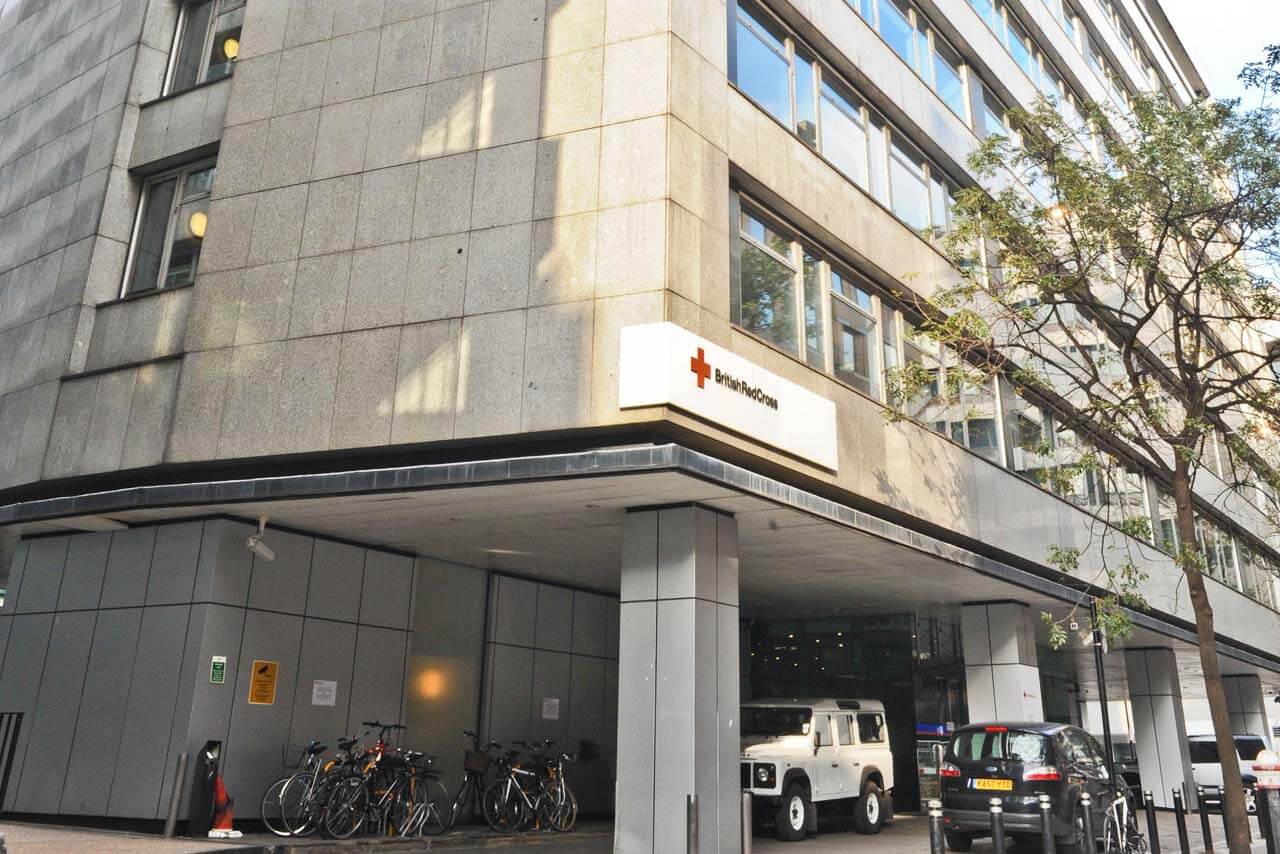
British Red Cross
With major refurbishment works due at the British Red Cross HQ in Moorgate, the consultant team highlighted a lack of M&E information and documentation required for their design work.
Read MoreBritish Red Cross
With major refurbishment works due at the British Red Cross HQ in Moorgate, the consultant team highlighted a lack of M&E information and documentation required for their design work.
Read More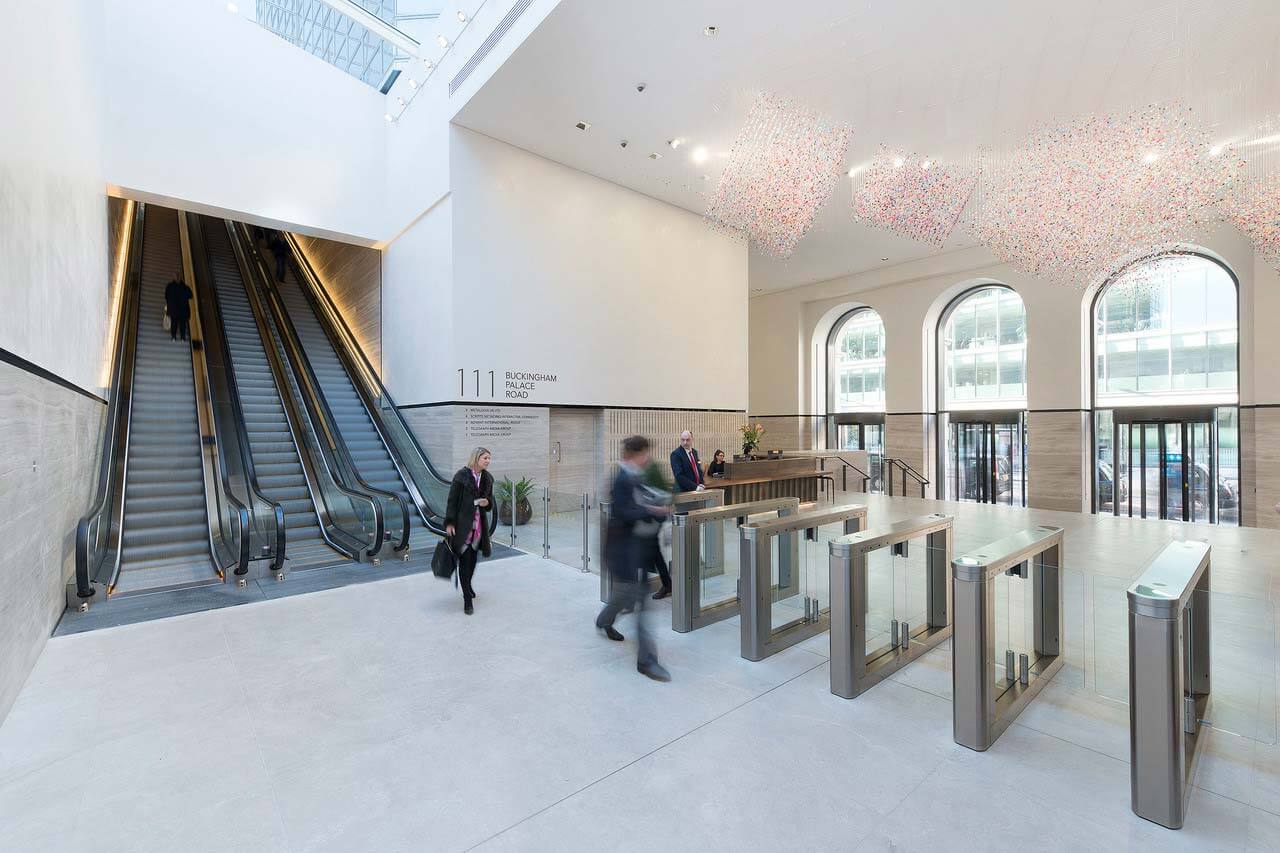
Daily Telegraph
We were contacted by a reputable FM provider following a power surge to the Daily Telegraph HQ.
Read MoreDaily Telegraph
We were contacted by a reputable FM provider following a power surge to the Daily Telegraph HQ.
Read More
Frequently ask questions
What is the difference between planned preventative maintenance and reactive maintenance?
Planned preventative maintenance is scheduled in advance to inspect, service, test or calibrate assets before avoidable failure occurs. Reactive maintenance responds after a fault or breakdown has been reported. Most estates need both, but PPM provides the structure for reducing failures, planning expenditure and meeting recurring compliance tasks.
Which building systems have a legal requirement for planned maintenance?
Legal duties can apply to systems including fire precautions, gas installations, lifting equipment, electrical equipment and installations, and water systems. Requirements vary by asset, premises and jurisdiction, so frequencies should be based on applicable legislation, approved guidance, risk assessments, British Standards where relevant and manufacturer instructions.
Do you use SFG20 as the basis for your maintenance specifications?
Where it is appropriate and agreed with the client, Q3 can structure maintenance specifications using SFG20-aligned schedules. These are then tailored to the asset register, statutory duties, manufacturer guidance, operating environment, criticality and client risk profile rather than applied as a one-size-fits-all template. Our Facilio CAFM system has full SFG20 integration.
What CAFM system do you use and what does it provide for clients?
Q3 configures its technology and CAFM approach around the contract and client requirements using the highly flexible and customisable Facilio platform. This can provide asset and task registers, planned schedules, reactive job logging, status tracking, service records, defect escalation, compliance dashboards and management reporting, giving clients a clear view of delivery and outstanding risk.
Can you manage a PPM programme across multiple sites under one contract?
Yes. Q3 can manage PPM services across a multi-site estate, under one governance and reporting structure. We standardise core processes while allowing site-specific schedules, access arrangements, asset risks and service windows, so clients gain portfolio visibility without losing local control.
Do you also cover reactive maintenance alongside PPM?
Yes. Reactive maintenance can sit alongside the planned programme, giving users a route to report faults and enabling Q3 to triage, attend, resolve and record issues. Data from reactive jobs can also identify repeat failures and inform future maintenance or replacement decisions.
Can PPM be delivered as part of a wider FM contract?
Yes. PPM can be delivered as a standalone engineering service or integrated with reactive maintenance, helpdesk, cleaning, security, waste, grounds maintenance and other FM services. A joined-up model provides clearer accountability, consolidated reporting and a more complete view of workplace performance.
Is PPM your only engineering and maintenance service?
No. Q3’s engineering and maintenance capability also includes reactive repairs, emergency response, HVAC, plumbing, electrical work, building fabric maintenance, minor works and refurbishment projects. The service mix is shaped around the needs of each building or portfolio.