Insights
3 Min Read
5 May 2026
Q3’s marketing manager, Ian Adams has some misgivings about the current direction of travel on the productivity, CX and getting people back to the workplace debate…
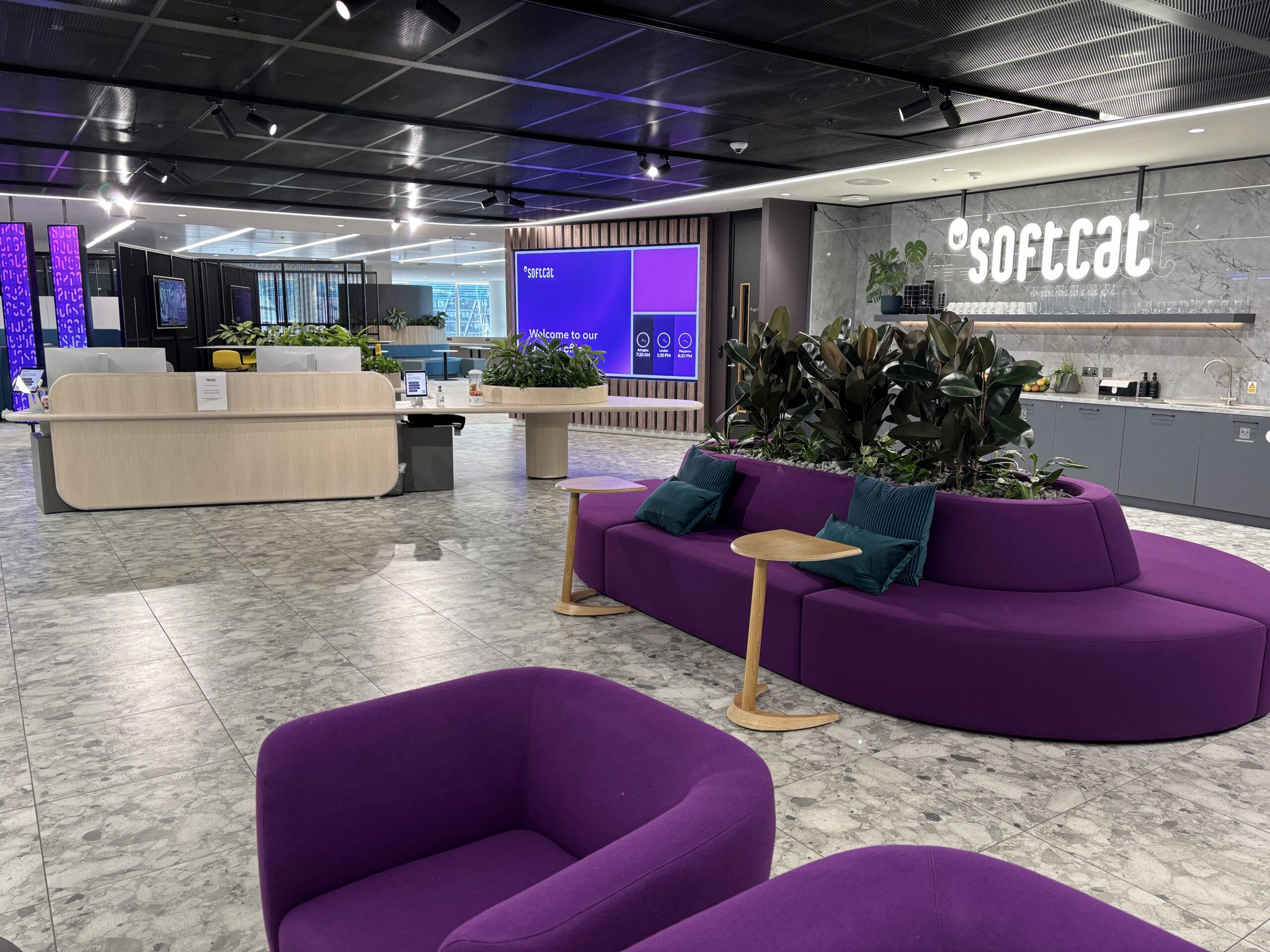
There’s an ongoing narrative in facilities management around the “intelligent workplace” and “workplace experience.” Offices that adapt to us, respond to us, and ultimately entice workers to come in every day and perform like superstars.
It’s been going on for a while now, and lots of individuals and organisations are laying claim to being thought leaders and experts on the subject. Fair enough, the debate is topical and stimulating, and a lot of the arguments makes perfect sense.
- Using data to inform best practice? Absolutely. It’s transforming the way FM works.
- Workspaces that actually function properly? Long overdue, and no one can argue with that.
- Facilities that respond quickly to real time needs, creating great comfort conditions and a welcoming place to work? That’s using tech to its best advantage. Tick!
But here’s the uncomfortable question… Are we beginning to confuse an efficient well-run workplace with a high-performing organisation?
A lot of the conversation right now suggests that if we just get the environment right and incorporate the sensors, the flexibility, and the “workplace experience,” then improved employee productivity and engagement will follow automatically.
Really? Is there any evidence to support this cause-and-effect hypothesis?
A workplace should support and stimulate the work and yes, the office should allow you to work better. Beyond that, a lot of the current commentary is all cherry on the top stuff.
For people like me, who have worked in quite a few workplaces over the years, the simple basics haven’t changed. People need:
- Clear expectations
- Strong leadership
- Accountability
- Freedom to do their job and make mistakes
- A team around them that relies on everyone showing up, playing their part and delivering
I have seen this formula prove successful for teams surrounded by some pretty shambolic workplaces environments. It’s about the people and culture, more than the bricks and mortar.
By all means, fix the things that frustrate people. No one is arguing to retain noisy background distraction, broken coffee machines, unreliable tech or unusable meeting rooms.
But let’s not drift off into a position where we strive to make the workplace compete with home life to earn high attendance rates.
At some point, work is still work, and we have to deliver it, in return for that thing called remuneration. That’s the long-established deal between employer and employee.
If people need to be persuaded by sexy lighting systems, flexible walls and bells and whistles just to turn up, we might not have a workplace problem, we have a culture problem. And a spangly workplace will never correct a toxic culture.
Good facilities management enables good performance; it shouldn’t try to replace the need for it. FM can support the success of an organisation but that shouldn’t make us the driving force.
We mustn’t puff ourselves up to pretend we are so clever and important that we can determine the ultimate success of a client organisation. We can however support our clients achieve success by doing a lot of the smart, heavy lifting.
 Channel Islands


 Accessibility