Insights
3 Min Read
18 May 2026
An article by Paul Courtney, HR Advisor, Q3 Services, written for Learning at Work Week, May 2026
For many people, the word “learning” still carries memories of classrooms, exams, pressure and, sometimes, failure. The experience can often put people off the prospect of learning for life.
School works brilliantly for some, but not for everyone. Traditional education often relies heavily on one style of learning – reading, memorising and repeating information. Yet people are not one-dimensional. Some learn visually, some aurally, some through experience, movement, mentoring or practical application.
That is why learning in the workplace can be transformational.
At work, learning becomes real. It has context, purpose and immediate relevance. Instead of studying theory for an unknown future, people develop skills that help them contribute, grow and succeed today. For many individuals, this can completely change their relationship with learning.
Workplace learning is not simply about qualifications or training courses. It can take many forms: mentoring, apprenticeships, buddying systems, coaching, shadowing experienced colleagues, practical demonstrations and hands-on experience. Often, people who struggled in formal education thrive in these environments because the learning feels natural and connected to what they do in real life.
Importantly, learning at work also creates something deeper – a sense of belonging and purpose.
When employers invest in people, they send a clear message: you matter, and we believe in your potential. That investment builds confidence, motivation and engagement. People become more willing to contribute ideas, take ownership and develop themselves further because they can see a future within the organisation.
Without that investment, businesses can unintentionally create stagnation. Roles evolve constantly. Technology changes. Customer expectations shift. Industries move forward. If organisations fail to develop their people, employees can gradually fall behind the requirements of their roles, sometimes through no fault of their own.
Equally, businesses themselves risk becoming stale.
Learning keeps organisations fresh. It introduces new thinking, new skills and new perspectives. It encourages innovation and adaptability. In challenging times especially, a workforce that is continuously learning is far more resilient than one that has been left behind.
One of the most rewarding aspects of workplace learning is seeing individuals achieve things they may once have considered unattainable.
At Q3 Services, we firmly believe people should never feel pigeonholed into one role or one level. With the right support, development and encouragement, individuals can break free from perceived limitations and progress far beyond where they first imagined.
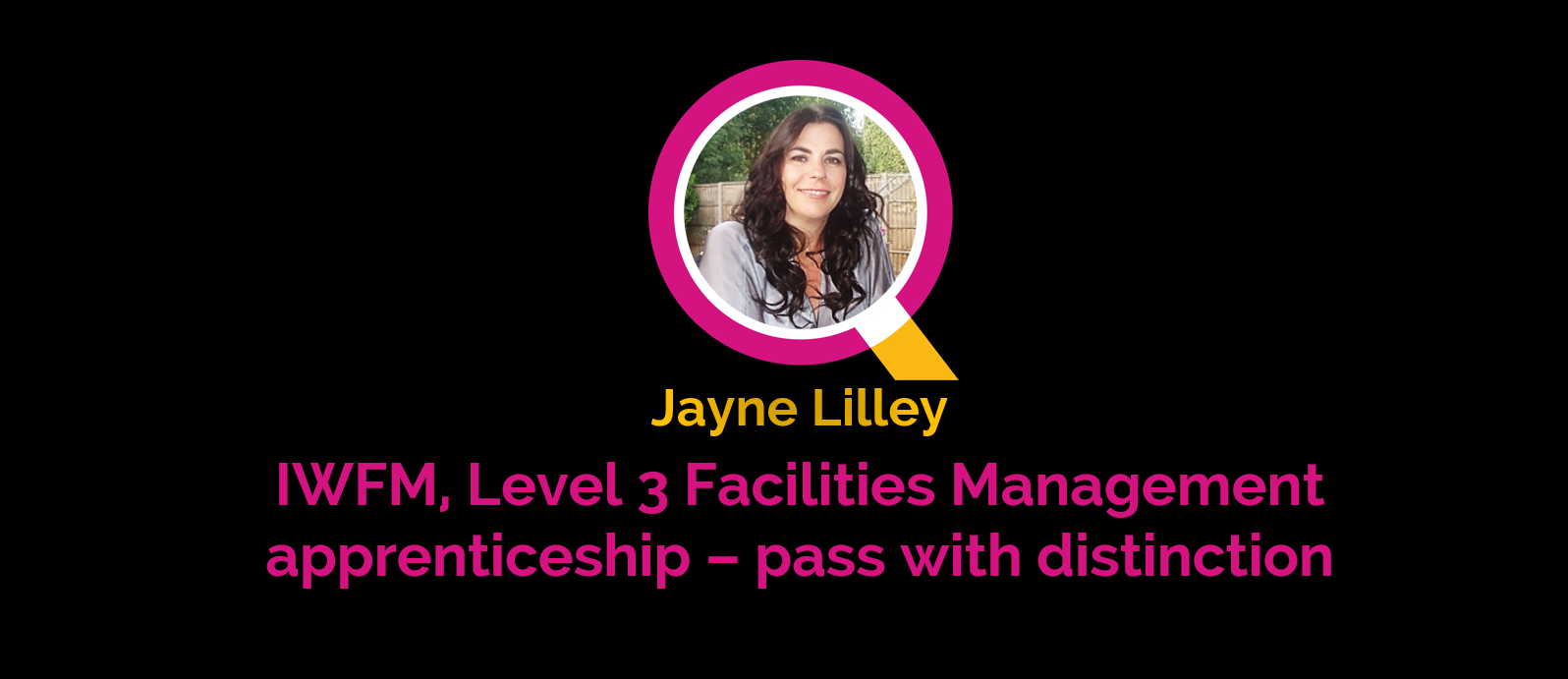
A great example of this can be seen in the career journey of Fabio Goncalves, whose development within the business demonstrates what can happen when opportunity, commitment and learning come together. Stories like this remind us that talent is often unlocked, not discovered instantly.
Developing people properly also creates practical advantages for organisations. Promoting internally can be hugely beneficial because existing employees already understand the culture, systems and values of the business. However, internal promotion only succeeds when people are supported with training, coaching and mentoring.
We have all seen examples where somebody excels technically in a role but struggles after promotion because they were never developed for the responsibilities that came next. A classic example is the outstanding salesperson who becomes Sales Manager without ever being taught how to lead, coach or manage people. Success in one role does not automatically prepare someone for another.
That is why learning and development must be continuous, intentional and aligned with future opportunities.
Learning at work is not a luxury or a tick-box exercise. It is an investment in people, in resilience and in the future of the business itself.
When individuals grow, organisations grow with them.
And perhaps most importantly of all, workplace learning gives people permission to believe that they are capable of more than they once thought possible.
 Channel Islands


 Accessibility