Insights
3 Min Read
17 June 2026
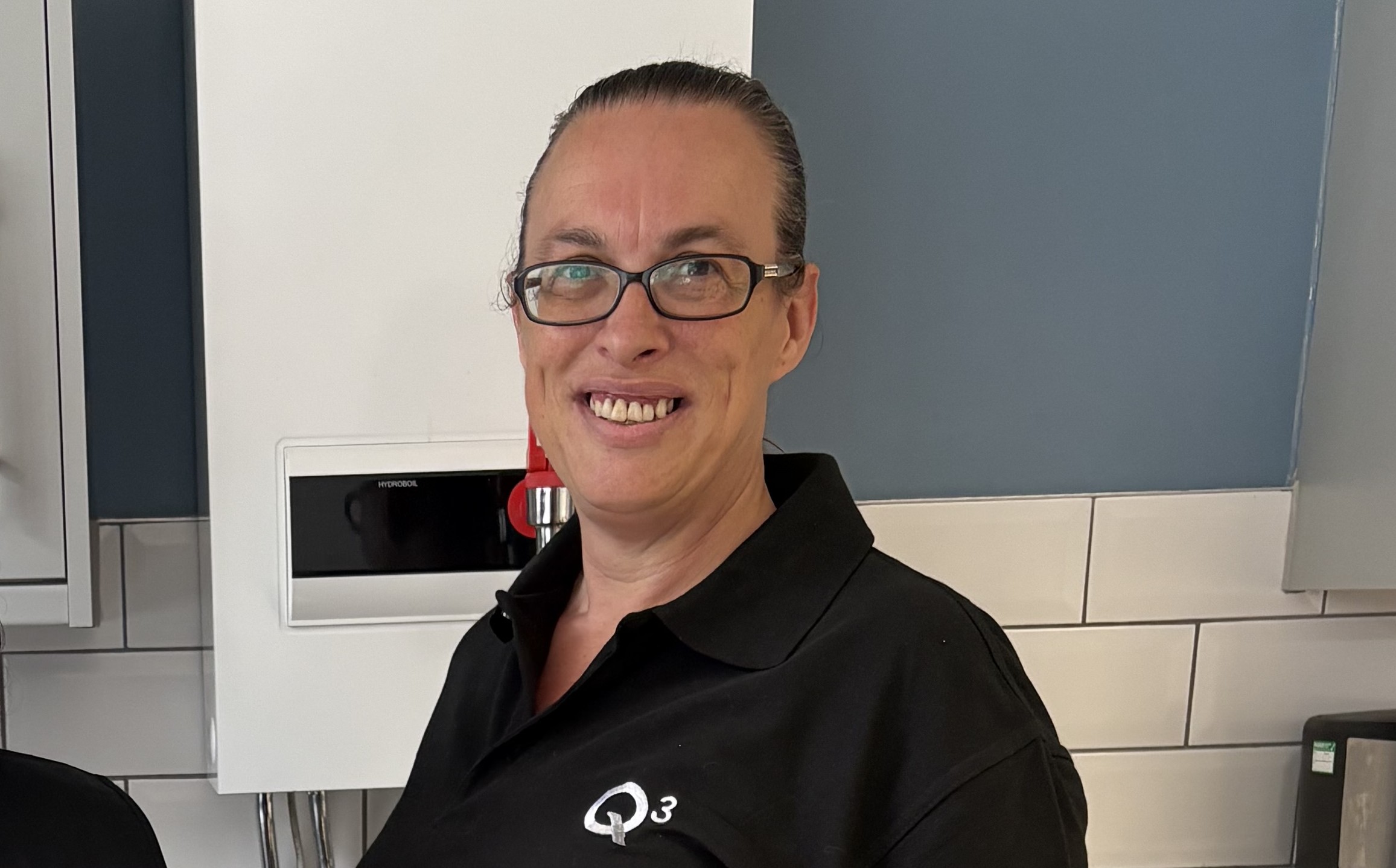
Thoughts on the workings of the modern helpdesk, by Lynne English, Operations Director

For many organisations, the helpdesk has traditionally been viewed as a reactive function – a place where issues are logged, tickets are raised, and problems are fixed. But this view is rapidly becoming outdated. As facilities management (FM) evolves, so too must the role of the helpdesk.
At Q3, we see the helpdesk not as an administrative function, but as the operational brain of a high-performing FM environment.
More than a service desk
Today’s helpdesk sits at the centre of the workplace experience. It is no longer just a phone line or inbox, but a 24/7, multi-channel front door to the organisation. It connects people, buildings, services, and suppliers, acting as a central hub for insight into what’s happening on the ground.
Crucially, it is responsible for far more than logging issues. A modern helpdesk manages reactive and planned work, coordinates compliance activities, controls supply partners and owns communication across the contract.
When viewed through this way, the helpdesk becomes a powerful source of operational intelligence – shaping performance, not just recording problems.
A fundamental mindset shift
The biggest change we see in FM is not technological but a shift in mindset.
The modern helpdesk moves:
- From reacting to faults to preventing them
- From technical language to simple, human communication
- From fixing buildings to enabling people’s productivity and wellbeing
This is more than incremental improvement. It represents a step-change in how FM is delivered and experienced.
Increasingly, success is no longer measured by how quickly jobs are completed, but by how effectively disruption is avoided and how well the workplace supports performance.
From building-focused to people-focused
As organisations place greater emphasis on employee experience and productivity, the helpdesk must evolve accordingly.
The focus is shifting:
- From buildings to people
- From tasks to outcomes
- From service delivery to managing customer experience
In practical terms, this means designing helpdesk interactions around the needs of the user by ensuring communication is clear, responsive, and aligned to how people actually engage with services day-to-day.
Technology as an enabler, not the answer
Technology plays a critical role in this transformation, but it is not the sole driver. The next-generation helpdesk is increasingly digital, incorporating:
- Virtual-first operating models
- AI and automated agents
- IoT-enabled monitoring and insights
- Consumer-style interfaces and communication channels
However, at Q3, we believe the real differentiator lies in integration by bringing together people, processes, and technology into a single, cohesive model. This is what turns fragmented estates into connected, intelligent workplaces.
The outcome: enabled, high-performing workplaces
Ultimately, the role of the helpdesk is not to manage tickets it is to enable the workplace to work as it should.
The most effective helpdesk operates almost invisibly. Issues are anticipated and addressed before they impact users, communication is seamless, and the environment simply works as it should.
At Q3, we have a clear view of how this all works:
- The helpdesk is the intelligence layer of FM
- It is central to delivering consistent, high-quality workplace experience
- It is pivotal in moving organisations from reactive service to proactive, insight-driven performance
As FM continues to evolve, organisations will need to seriously rethink the helpdesk so as to be best placed to deliver smarter, more resilient, and more human-centric workplaces.
 Channel Islands


 Accessibility