News
3 Min Read
17 November 2026
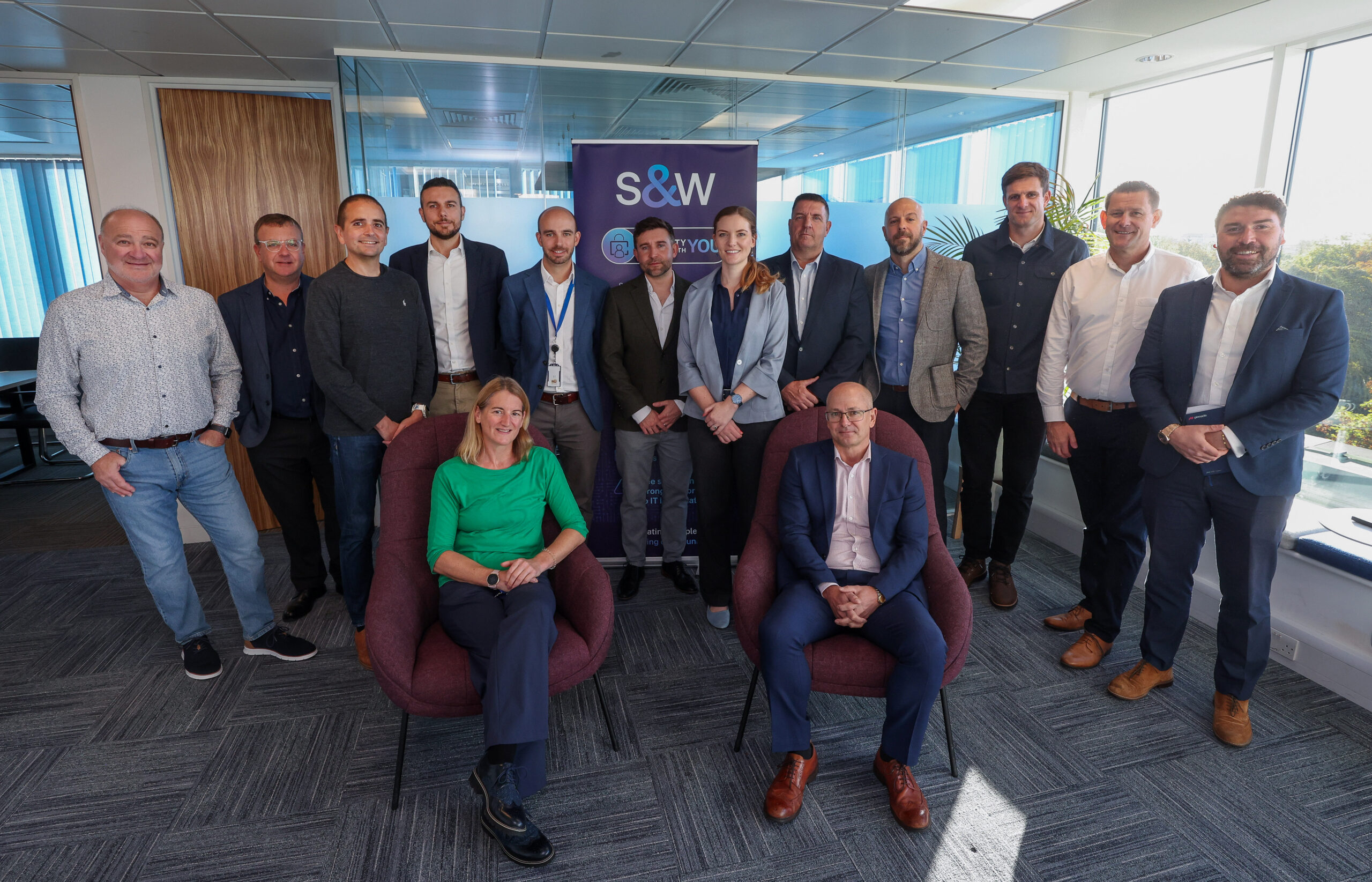
In October, Q3 Services’ CEO Martyn Freeman joined business leaders from a wide range of sectors at the “Scaling for Success” round table in Southampton, organised by Insider Media and hosted by S&W Group. The lively discussion prompted him to reflect further on the subject and here are his thoughts:
Scaling an FM business means more than winning contracts – by Martyn Freeman, CEO, Q3 Services

Uncertainty is not usually presented as good news for business. But in facilities management, it can create opportunity. When organisations face greater complexity and pressure on resources, the case for outsourcing becomes stronger.
That was one of the points I made at Insider Media’s recent Southampton roundtable on “Scaling for success”. The discussion brought together businesses from very different sectors, yet a common challenge emerged: how do you grow without weakening the things that make customers choose you in the first place?
For Q3, the answer is not to become a smaller version of the industry’s biggest players. We compete by being niche, responsive and innovative. Scale matters, but staying relevant matters more.
Growth must strengthen delivery
Winning business is only part of the equation. The harder question to solve is whether the organisation behind those contracts is ready to deliver and create a positive experience for the client, such that you can retain the contracts well into the future.
Jon Brewer of KA Watts Plumbing & Heating highlighted the importance of establishing systems, processes and controls, warning that growth can arrive before a business properly understands its profitability. That has particular resonance in FM. More contracts, more sites and more colleagues create complexity. They do not automatically create a stronger business.
Gary Whittle of Meachers Global Logistics described the shift from “just in time” to “just in case”. His point about resilience applies equally to our sector. Clients need partners who can adapt when circumstances change, not simply deliver a service when everything is going swimmingly. That requires operational capacity, reliable information and the confidence to make timely decisions, not just an ambitious sales pipeline.
Flexibility needs connection
People are equally central to sustainable growth.
At Q3, flexibility over where and when people work has helped us recruit and retain colleagues. But flexibility needs balance. Remote working can reduce the personal interaction through which people build relationships, share knowledge and develop confidence.
In FM, there is another consideration. Flexibility looks different for someone delivering a service on a client’s site compared to a colleague in an office-based role. The principle should be consistent, even when the arrangements cannot be identical.
The roundtable also explored how difficult it becomes to maintain culture across a growing, dispersed organisation. That is a familiar challenge for FM businesses. Culture cannot depend on proximity to head office – it has to be reflected in everyday communication, support and decisions and through senior leaders setting an example by living out the company values.
Keep the advantage that made you grow
Technology offers opportunities to work differently, but growth still demands discipline. Investing in the right infrastructure, understanding performance and keeping people connected to the business.
For Q3, the opportunity (and the challenge) is to scale without surrendering the agility that helps us compete.
Success is not simply measured by becoming bigger. It is becoming more capable, more resilient and more valuable to clients, without losing the agility, responsiveness and personal touch that won their trust in the first place.
 Channel Islands


 Accessibility