Q3 secures IFM contract with Health Sciences University

Q3 has secured a three-year integrated facilities management contract with Health Sciences University (HSU), worth £2 million, covering cleaning, security and engineering services across the university’s Bournemouth and London campuses.

HSU is a specialist health sciences university delivering education, research and clinical services, with a growing reputation in disciplines including chiropractic, osteopathy, physiotherapy, psychology, sport and exercise science, and radiography and imaging sciences.

The appointment strengthens Q3’s presence in the higher education sector and reflects growing demand for agile IFM partners able to support complex, multi-site campus environments.

The contract will support around 30 on-site roles and sees Q3 deliver a coordinated service model designed to enhance operational resilience, user experience and estate performance.

Q3 said its successful bid was driven by a combination of service innovation, sector understanding and SME agility.

  • A technology-led operating model including Q3’s bespoke Facilio CAFM platform
  • The proposed use of cobotics to support smarter, more efficient service delivery
  • Toucan chemical-free cleaning technology, aligning with sustainability goals

HSU was also attracted by Q3’s position as an agile SME, offering a flexible and responsive approach tailored to the operational demands of a specialist university estate.

Commenting on the contract award, Stuart Bellew, COO at Q3, said “The win marks an important step in the company’s continued growth in the university sector and underlines the strength of its integrated, customer-focused IFM offer.”

Elizabeth Sharma, Senior Estates and Facilities Manager at HSU, said: “Health Sciences University is excited to be entering this new partnership with Q3 and looks forward to the benefits it will bring across our campuses. The contract will provide greater consistency and resilience to support our growing student population, alongside enhanced planned and preventative maintenance to minimise downtime and improve reliability. Increased cleaning and engineering presence throughout the week, combined with new opportunities for students to share feedback, will further enhance the overall student experience and support continuous service improvement.”

The modern FM helpdesk: from reactive service to intelligent experience

Thoughts on the workings of the modern helpdesk, by Lynne English, Operations Director

Lynne English front picture of her face.

For many organisations, the helpdesk has traditionally been viewed as a reactive function – a place where issues are logged, tickets are raised, and problems are fixed. But this view is rapidly becoming outdated. As facilities management (FM) evolves, so too must the role of the helpdesk.

At Q3, we see the helpdesk not as an administrative function, but as the operational brain of a high-performing FM environment.

More than a service desk

Today’s helpdesk sits at the centre of the workplace experience. It is no longer just a phone line or inbox, but a 24/7, multi-channel front door to the organisation. It connects people, buildings, services, and suppliers, acting as a central hub for insight into what’s happening on the ground.

Crucially, it is responsible for far more than logging issues. A modern helpdesk manages reactive and planned work, coordinates compliance activities, controls supply partners and owns communication across the contract.

When viewed through this way, the helpdesk becomes a powerful source of operational intelligence – shaping performance, not just recording problems.

A fundamental mindset shift

The biggest change we see in FM is not technological but a shift in mindset.

The modern helpdesk moves:

  • From reacting to faults to preventing them
  • From technical language to simple, human communication
  • From fixing buildings to enabling people’s productivity and wellbeing

This is more than incremental improvement. It represents a step-change in how FM is delivered and experienced.

Increasingly, success is no longer measured by how quickly jobs are completed, but by how effectively disruption is avoided and how well the workplace supports performance.

From building-focused to people-focused

As organisations place greater emphasis on employee experience and productivity, the helpdesk must evolve accordingly.

The focus is shifting:

  • From buildings to people
  • From tasks to outcomes
  • From service delivery to managing customer experience

In practical terms, this means designing helpdesk interactions around the needs of the user by ensuring communication is clear, responsive, and aligned to how people actually engage with services day-to-day.

Technology as an enabler, not the answer

Technology plays a critical role in this transformation, but it is not the sole driver. The next-generation helpdesk is increasingly digital, incorporating:

  • Virtual-first operating models
  • AI and automated agents
  • IoT-enabled monitoring and insights
  • Consumer-style interfaces and communication channels

However, at Q3, we believe the real differentiator lies in integration by bringing together people, processes, and technology into a single, cohesive model. This is what turns fragmented estates into connected, intelligent workplaces.

The outcome: enabled, high-performing workplaces

Ultimately, the role of the helpdesk is not to manage tickets it is to enable the workplace to work as it should.

The most effective helpdesk operates almost invisibly. Issues are anticipated and addressed before they impact users, communication is seamless, and the environment simply works as it should.

At Q3, we have a clear view of how this all works:

  • The helpdesk is the intelligence layer of FM
  • It is central to delivering consistent, high-quality workplace experience
  • It is pivotal in moving organisations from reactive service to proactive, insight-driven performance

As FM continues to evolve, organisations will need to seriously rethink the helpdesk so as to be best placed to deliver smarter, more resilient, and more human-centric workplaces.

Q3 Colleague Recognised at The Square, Camberley

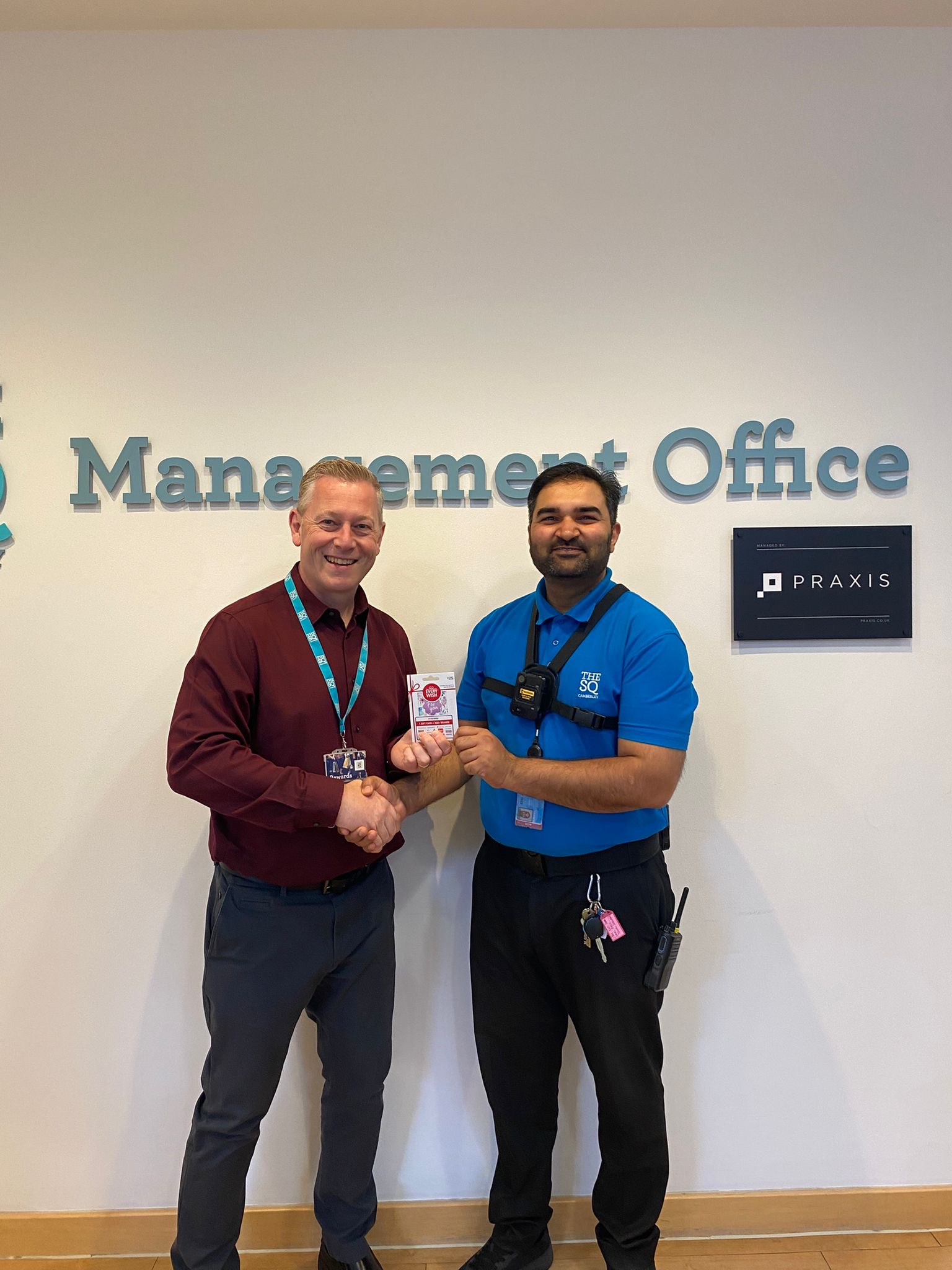
We are proud to share that Waqar Hussan, a Q3 Security Officer working at The Square Camberley, has been recognised as Employee of the Month.

This recognition, awarded at the centre managed by Praxis, is a fantastic reflection of the commitment, professionalism and high standards Waqar brings to his role every day.

Gavin Vidler, Centre Manager said, “Waqar has made a real impact at The Square through his hard work, reliability and flexibility. His willingness to support the wider on-site team, adapt to changing demands and consistently deliver a high standard of service has clearly been valued.”

Working as part of the Q3 team at The Square, Waqar plays an important role in helping to create a safe and welcoming environment for occupiers, visitors and colleagues across the centre.

We are delighted to see Waqar’s contribution recognised and would also like to thank Gavin and the team for acknowledging the excellent work being delivered on site.

Congratulations to Waqar on this well-deserved achievement.

Q3 supports Maximus with people-first cleaning service transition

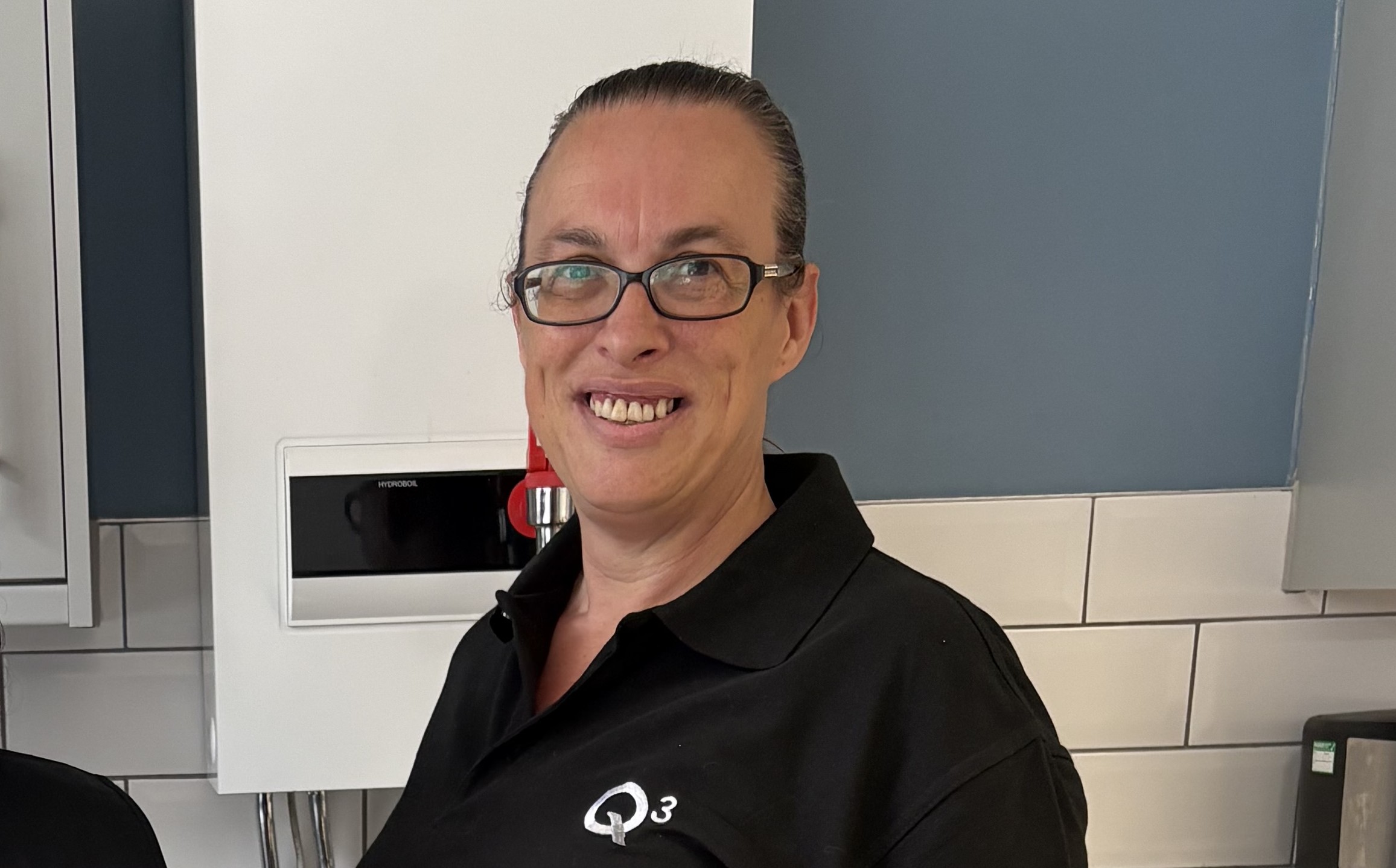
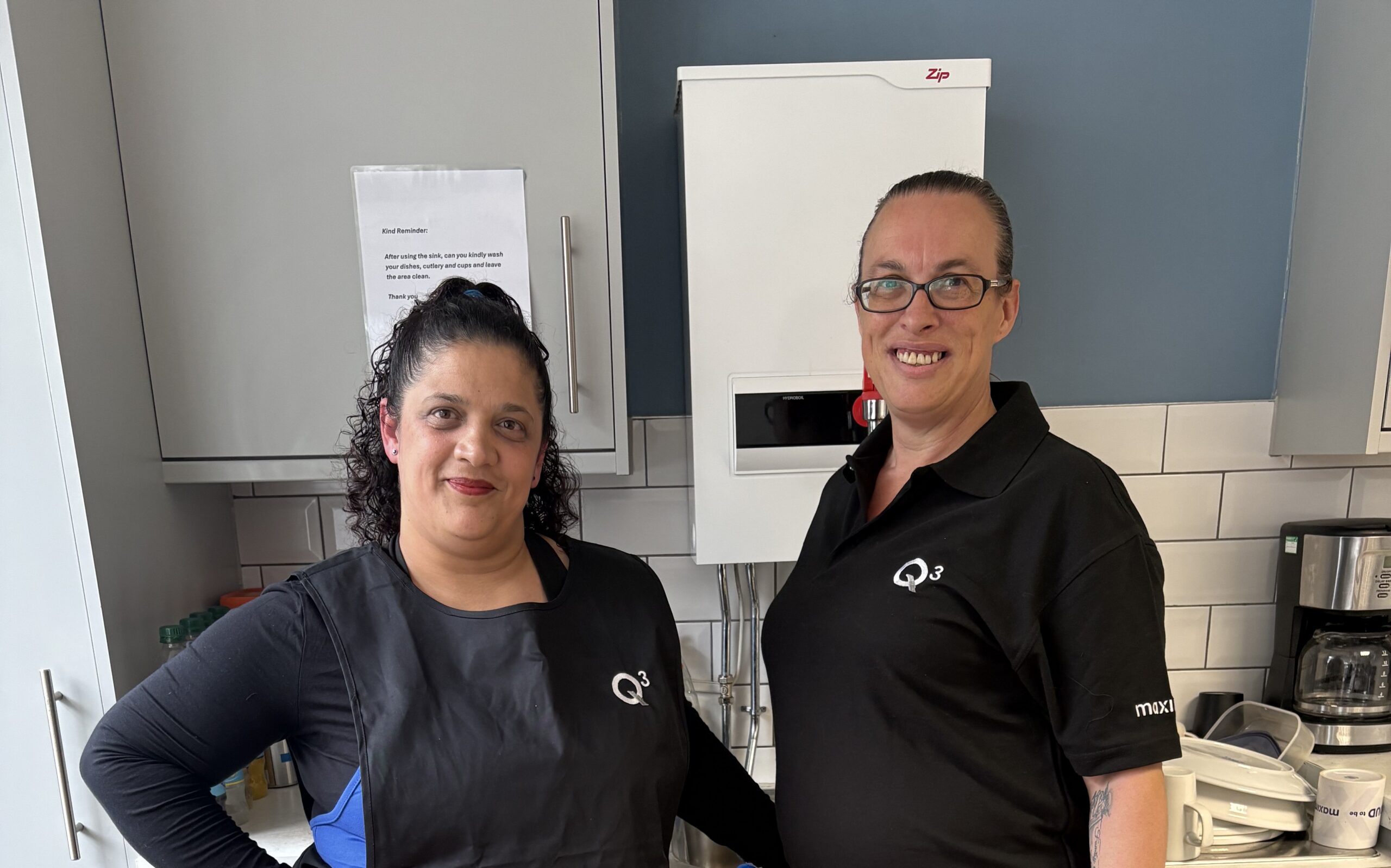
Q3 Services is supporting Maximus through the transition of cleaning services from an in-house model to a fully managed Q3 delivery model, with 31 colleagues transferring under TUPE to be part of the broader IFM contract team.

The mobilisation is designed to strengthen service consistency, improve responsiveness across sites and create a better day-to-day experience for both the client and the people delivering the service.

A strong emphasis has been placed on a smooth and supportive transition. Every transferring colleague has been engaged through direct consultation, with one-to-one conversations helping to ensure the process is clear, compliant and reassuring. All Right to Work checks have been completed, and the incoming team will also benefit from access to Q3’s wider employee support and benefits.

Q3’s leadership team has maintained a visible presence throughout mobilisation, meeting stakeholders, visiting sites and building a clear understanding of local requirements. The contract is further supported by a strengthened management structure, including Jack Goodchild as Key Account Manager and Deborah Pollard as Cleaning Manager, helping to ensure strong accountability, consistent standards and close operational support from day one.

The transition also reflects Q3’s commitment to investing in people. Moving colleagues onto the Real Living Wage supports workforce wellbeing and engagement, while the new operating model gives Maximus greater flexibility, clearer oversight and a service that can evolve quickly around site needs.

For Q3, it is another example of how a people-first approach can strengthen service delivery and long-term partnership working. Maximus UK describes itself as a trusted partner delivering complex public services across the UK, making service reliability and responsive support especially important.

Q-who? From the Dance Floor to the finance team

Four years after joining Q3, Amy Hossin’s role has grown alongside the growth of the business itself. Starting out on the soft services side when the finance team was just three people, she has steadily taken on more responsibility as Q3 has expanded.

Today, she is Finance Manager for Q3’s fast-growing technical services and IFM operation, helping to support a part of the business that continues to evolve at pace. Here’s the story of her journey:

“My route into finance was not entirely straightforward. After studying accounting at college in Kent, I completed work experience with a local accountancy firm. That placement turned into a summer job and then, almost immediately into a full-time position, with the firm supporting my AAT studies one day a week. It was a solid start to my career and gave me the technical grounding that carries through to my work today.

“But my story also includes a surprising detour. A lifelong passion for dancing led me into a very different role as a social media marketing specialist for International Dance Shoes, a company I had known for years, because they sponsored me through the competitive world of dance. With such a strong personal connection to the industry, it felt like a natural fit at the time and gave me experience in a completely different environment.

“Dancing had been a huge part of my life from an early age. Throughout my teens, weekends were spent travelling across the UK and Europe with my dance partner, competing in Latin and Ballroom competitions as well as national and world championships. At one stage I was ranked third in the UK, eighth in Europe, and was also a Nordic Open champion – an experience that taught me a huge amount about discipline, hard work and commitment.

“Eventually, the practicalities of balancing a career with such a demanding passion led me back towards finance. That decision brought me to Q3, and into a sector I knew very little about at the time.

“Like many people at Q3, I did not set out with facilities management in mind. But what I found was a business full of variety, challenge and opportunity. For me, Q3 has the mindset and processes of a large corporate organisation, but with the friendliness, open dialogue and care of a family business… and that combination has made a lasting impression.

“One of the biggest challenges in my current role has been helping to integrate Q3’s hard services and IFM operations with the wider business, aligning standards, processes and financial procedures along the way. It is a role that demands flexibility, attention to detail and a willingness to get stuck in wherever needed — whether that means supporting payroll, assisting with head office functions, or helping different parts of the business work more seamlessly together.”

Amy’s journey is a great example of what makes Q3 such an interesting place to build a career. From accountancy to dance, from social media to finance leadership, her path has been anything but conventional. But that mix of experience, adaptability and drive is exactly what helps Q3 continue to grow and why Amy is playing such an important role in its future.