Lucy Hayes, HR Director at Q3, shares her thoughts on the UK’s Employment Rights Act 2025

This new Act is set to bring some of the most significant changes to UK employment law in a generation, and for FM, it represents a mix of welcome improvements and practical challenges. From a people perspective, many of the changes are long overdue. Giving employees day-one rights for sick pay and family leave, alongside earlier protection from unfair dismissal at six months, will provide much-needed security for a workforce that is largely operational and customer-facing.

For people in FM roles, these changes are a real step forward in giving employees the support and security they deserve. Day-one rights for sick pay and family leave, along with earlier protection from unfair dismissal, mean employees can focus on their wellbeing and their work with confidence. This isn’t just beneficial for individuals though; it strengthens teams and helps ensure smooth, reliable service. When employees feel secure and valued, everyone benefits.

The Act also reinforces the importance of fairness and trust in the workplace. Ending “fire and rehire” practices and putting clearer expectations around dismissal procedures encourages businesses to step up their people management. At Q3, fairness, transparency and respect have always been central to how we manage our teams, so we wholeheartedly support the intent of this legislation. Employees knowing their rights, and that they will be upheld, helps build a stronger, more loyal workforce.

It’s important to consider both sides of the coin, however. The ban on zero-hours contracts, for example, removes a level of flexibility that can work well for both employers and employees when used responsibly. In a sector where demand can fluctuate daily, that flexibility is often vital. Then there’s the cost side: sick pay, parental leave, and other entitlements come with real financial implications, particularly in an industry like FM. We could see recruitment becoming more cautious, especially for entry-level roles, which could slow workforce mobility and even affect operations.

There’s also a practical element. Every business will need to review contracts, policies and procedures to ensure compliance. For smaller providers, that can place a real strain on time and resources. The intention behind the Act is unquestionably positive, but the realities for FM businesses need careful consideration if these changes are going to work in practice.

Overall, the Act is a step in the right direction for employees, and at Q3, we’re proud to already operate with fairness and transparency at the heart of what we do. At the same time, I hope policymakers continue to engage with our sector so that businesses can remain sustainable while delivering the protections and security employees rightly expect. The direction is right, but the sector’s unique challenges must not be overlooked.

Complex Campuses – Competitive Advantage

Facilities management on university campuses: turning complexity into an organisational strength

An opinion piece by Mark Hazelwood, MD of Q3’s IFM business, written originally for Campus Estate Management (January 2026)

Universities are highly complex environments, shaped by diverse building types, competing stakeholder needs and fluctuating occupancy patterns. Mark Hazelwood, managing director IFM/technical Services at Q3 Services, explains how modern facilities management (FM) tools can help universities navigate this by optimising energy use and sustainability performance, strengthening compliance and enhancing the everyday campus experience.

The university estate as a unique FM challenge

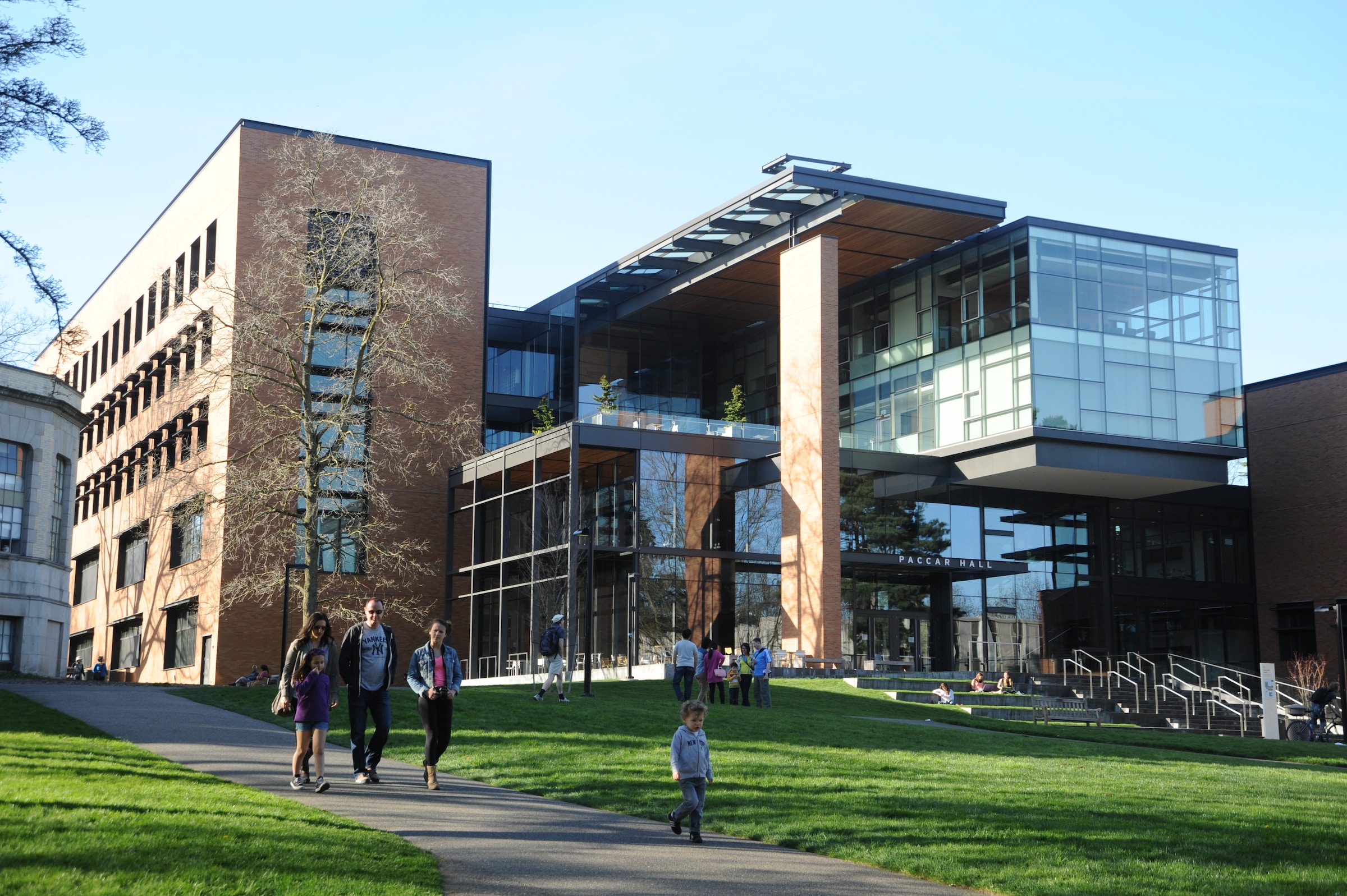
Universities effectively function as micro-cities, bringing together classrooms, offices, lecture halls, sports facilities, specialist labs, research centres, student accommodation and shared public spaces. Their properties also span a wide age range, with new, state-of-the-art facilities often sitting alongside older heritage structures. While an FM strategy might be replicated floor by floor in a conventional office block, the unique mix of spaces on university campuses demands a far more tailored and flexible approach.

Campuses also bring together a variety of stakeholders. Research departments want their facilities to produce high-quality results, while governing bodies, under growing pressure to meet ambitious sustainability targets, favour financial performance and ecological responsibility. In contrast, academic faculties prioritise student experience and educational outcomes. Balancing these objectives presents a constant challenge for estates managers; they must maintain spaces that support student results and world-class research, while controlling operational costs and environmental impact.

Adding to the challenge, university occupancy rates are rarely consistent. Even during summer when they are supposedly at their quietest, numbers can rapidly surge as graduation ceremonies draw in thousands of students and their families. Without closely monitoring fluctuating occupancy patterns and adjusting asset output accordingly, estates teams risk wasting substantial amounts of energy and money.

Ultimately, managing such complexity requires FM strategies that are just as multifaceted as campuses themselves. By tuning their approach to a university’s major financial, environmental, regulatory and academic objectives, teams can deliver meaningful improvements across their estates.

Running what you need, when you need it

The British higher education sector is facing a challenging financial period. Due to slow post-pandemic recovery rates and a decline in high fee-paying international students, many institutions have been forced to streamline their operational costs. A recent Universities UK survey found half of its respondents cutting certain courses, with 60 per cent also stripping back on repairs and maintenance.

This makes cost awareness a priority for the sector’s FMs, something that agile and occupancy-mirroring solutions contribute towards. Rather than allowing the building management system (BMS) to run on fixed schedules, they can be linked with a department’s academic timetables, space-booking systems and research cycles. With the rise in online learning, some lecture theatres now face empty periods for more time during the day, demanding less from heating, ventilation and air conditioning (HVAC) systems and lighting units. During certain days, these spaces may not need activating at all.

Reducing daily system output also extends asset lifecycles and minimises the need for emergency repairs. The Office for Students currently predicts that the combined annual site maintenance costs for higher education providers will rise by £33 million over the next three years. However, this could be mitigated if more streamlined, occupancy-sensitive FM strategies were implemented across the sector.

An eco-conscious strategy for each building

Environmental performance is also a focus for many universities. Alongside growing government and union pressure, sustainability has become a key point of interest for many prospective students. Research by SustainabilityOnline shows that 78 per cent of students would now choose a university with strong green credentials over one ranked highly for academic outcomes.

The first step in meeting these demands is to ditch a one-size-fits-all approach to building management. Applying blanket strategies across such varied portfolios only leads to energy waste and higher Scope 1 and 2 emissions, leaving institutions with overstated net-zero claims and weaker standings in environmental performance rankings.

Instead, a building-specific strategy that reflect the diverse energy demands across a campus is essential. Specialist research labs require high and consistent output to maintain precise conditions, while sports halls can operate at lower levels for much of the year. It’s often that natural heat is generated when they’re in use.

Property age is another key variable. Older structures are often incompatible with modern BMS and computer-aided facility management (CAFM) technology and therefore require far more manual oversight to maintain standards. Newer facilities, in contrast, can often integrate easier with smart, data-driven systems, enabling greater automation and optimisation.

Leveraging predictive and reactive tools

University buildings operate under some of the strictest regulatory standards in the education sector. In specialist testing centres and laboratories, even small lapses in temperature control disrupt operations, damage samples and invalidate results. Beyond initial non-compliance fines, failures like these can jeopardise future opportunities for funding, as well as industry partnerships and accreditations.

Predictive maintenance helps to prevent such issues before they escalate. Using precise sensors and real-time data tracking devices, facilities teams can detect subtle deviations in temperature, ventilation, air pressure and acoustics output and adjust them accordingly. This reduces asset downtime and ensures critical compliance thresholds are consistently met.

When faults do inevitably occur, clear communication channels are essential for optimising response times. Many now prefer accessible and easy-to-use reporting tools, such as mobile messaging or chat-based helpdesks. For lab technicians overseeing sensitive research projects, however, more formal escalation procedures should be provided – direct calls to estates control rooms or named contacts for urgent repairs.

Spaces geared towards student satisfaction and performance

Above all, university campuses should support strong academic outcomes. FM certainly has a role to play here, as shown by various reports on the effect of poor indoor environmental conditions on productivity. One recent study observed a significant drop in cognitive performance when indoor temperatures moved beyond the recognised comfort zone, specifically at 15ºC and 27ºC.

A human-centred FM approach is key to achieving this, especially demonstrated during assessment periods. When sports facilities are transformed into temporary exam halls, their indoor conditions must shift to reflect a different type of occupancy. Rather than running around in these spaces, students will be seated for extended periods of time. HVAC and lighting settings should be recalibrated for comfort, with indoor air quality and noise control evaluated well in advance.

Feedback loops must also be simple and ongoing. Accessible tools such as QR codes and more conversational check-ins with students and staff help in capturing issues early and informing necessary adjustments.

When it comes to managing successful and efficient university campuses:

  • Develop bespoke solutions for each building type: To maximise energy savings and drive sustainable performance, a flexible strategy that respects the unique circumstances of each facility is essential. Energy-intensive and compliance-critical spaces need tightly controlled FM regimes, while offices, lecture theatres and sports halls can operate under more flexible, occupancy-led scheduling.
  • Work closely with academic departments: Feed timetable data, space-booking information and research cycles into your BMS or CAFM systems so that asset output aligns with real-time use. This also shows you when facilities are in their lowest-activity periods, effectively highlighting the most suitable times for planned maintenance.
  • Know your end users: Provide accessible, varied channels for students and staff to report issues and continuously give feedback. This helps you understand how spaces are used, speeds up maintenance responses and strengthens overall trust in your services.

University estates are inherently complex, but not unmanageable. By aligning FM practices with each building’s requirements, live occupancy patterns and different stakeholder demands, the complexity can be transformed into an operational strength, delivering well-rounded performance across the entire estate.


Q-who? You cannot create experience – you have to undergo it!

Albert Camus once said, “You cannot create experience. You must undergo it.” And there aren’t many in the FM industry with more experience than Luis Lopes!

Luis is Q3’s Operations Director and was one of the original team when the business was formed in 2018. However, his experience in the industry goes way back to 1989 when he arrived from his native Portugal and got a job as a cleaner with a well-known cleaning company of that time, called Ramoneur. The company provided the first step on his career in FM and even helped him open his first bank account, with £1 to his name.

From there Luis progressed with Lancaster cleaning through a series of promotions, to be site supervisor, area supervisor and finally, area manager.

Then things really took an upward swing when he joined Cleanevent. Here, and later with Mitie’s specialist events and leisure division, he would be responsible for some iconic venues including Ascot Racecourse, Cheltenham Racecourse, Aintree Racecourse, Newmarket Racecourse, Tottenham Hotspur F.C., Arsenal F.C., Fulham F.C., Chelsea F.C., Aston Villa F.C., Twickenham Stadium, Wembley Stadium, Silverstone Circuit, Cheltenham Racecourse, Odyssey Arena, O2 Arena, Buckingham Palace, Tower of London, and Farnborough Air Show. That would look pretty good on anyone’s cv!!!

As well as managing cleaning on big-event days, there was also the day-to-day cleaning for the various conferences and meetings that these venues hosted to supplement their revenue, as well as out-of-season, deep clean projects. Luis learned how to be flexible, switching from the routine one day, to ramping up for the big-game events the next.

His management style, based on fostering close client relationships, goes right back to the lessons he learnt at that time. Regular face-to-face meetings to check clients were happy with the quality of service deliver, KPI performance, check H&S and compliance, and so on – exactly as he works today.
Luis will always build his diary around quality time with clients, making sure the relationship is good and that there’s a happy ship and crew. He still loves working in this FM business because every day is different and relationship building with many different clients and operatives is what keeps him stimulated and on his toes. But dealing with a challenging client, or a difficult member of staff, can still present a challenge, and he’s not afraid to set aside his usual friendly demeanour, play hard ball and make some tough decisions.

Having worked for both big and small FM companies, allows Luis to see things from two very different perspectives. For some clients, the big brand players can be a bit “marmite”, with lots of red tape, and it can be hard to get quick decisions. Small companies sometimes struggle with resource and to convince clients they have the ability and scale to do a job. But with Q3, he has the benefit of the experience from both ends of the industry and the autonomy to make things happen.

He loves nothing better than applying all those years of experience to tackle a situation and improve the way things are done, increase productivity, reduce costs, and get results.

“Experience beats knowledge every time!” is one of his favourite sayings.

As Q3 has evolved over the last 8 years, there have been openings and opportunities for Luis as the company has grown. That particular experience has been one of his favourite times, because in Luis’s own words, “It’s been awesome to be part of the journey

CAFM is a game-changer, but only when you get it right

Mark Hazelwood shares some lessons on making sure your CAFM deployment is a game-changer and not an expensive IT software failure.

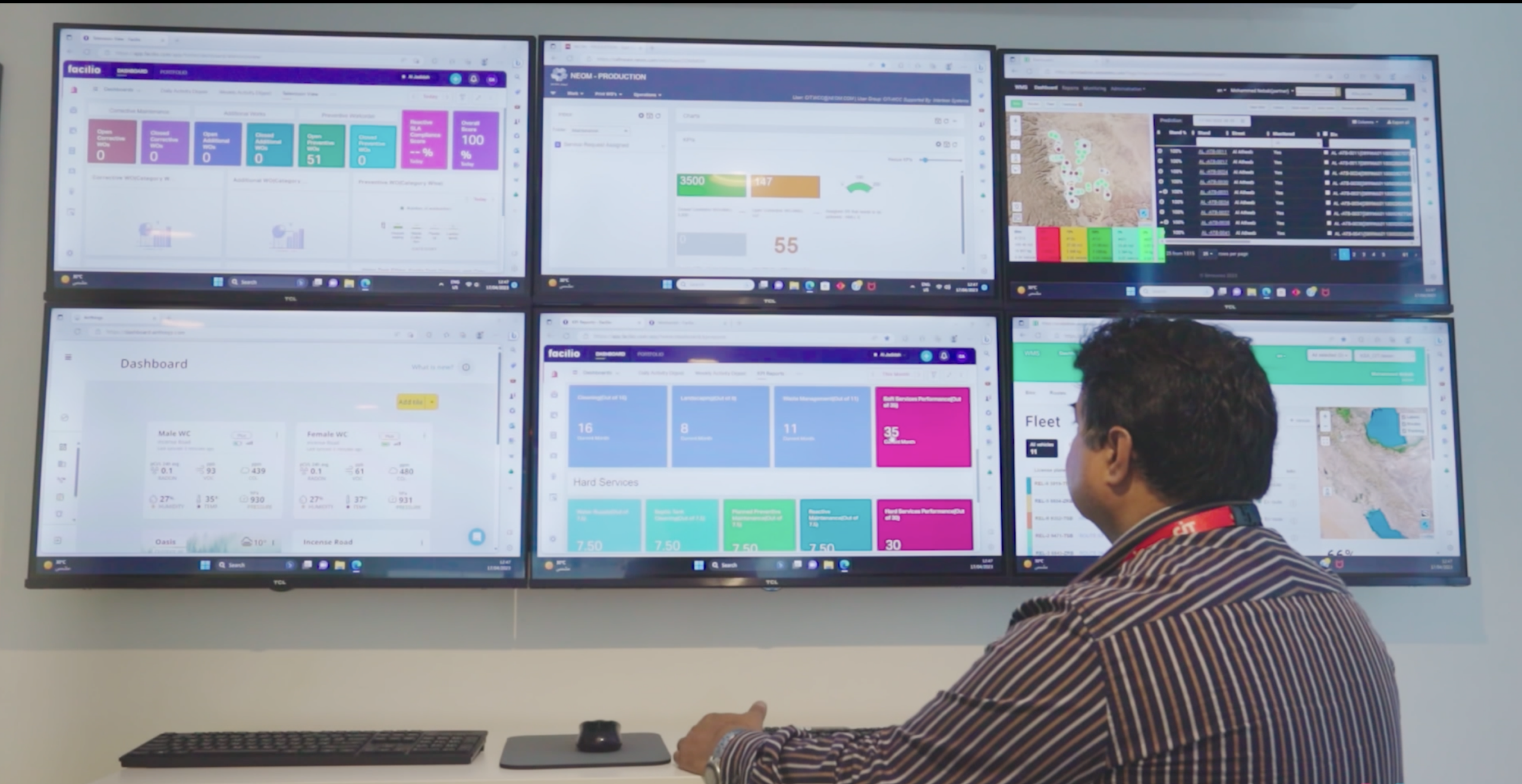
Implementing CAFM platforms can be a real game-changer, yet too often I see organisations rolling them out without making the essential investment that really drives value: the data. A CAFM system, no matter how sophisticated, is only ever as effective as the quality of the information it holds, and the culture that surrounds its use. When we implement CAFM, we treat it as a living, breathing ecosystem. That means making sure everyone involved in the FM service – clients, internal teams, suppliers – use it as their single source of truth. If tasks are still being tracked in Excel or email, then the whole point has been missed. Everything must happen within the system.

We’ve seen the added value it offers in action through our contract with Maximus, a specialist service organisation for health and employability, where we cover over 160 locations across the UK. More than 90% of all service calls are logged directly via our CAFM portal. Maximus don’t need to spend time calling or emailing, as they engage with us entirely through the platform. Costs are authorised, data is shared, and reporting is live and fully interactive. We don’t rely on third-party tools or portals; it’s all native to the system.

Integration is key. We’ve connected our CAFM with finance systems, IoT sensors for real-time fault detection, and compliance tools like SFG20. We also use Facilitiesline to monitor supplier accreditations, getting live alerts if anything changes, from expired insurance to health and safety issues. It means we’re not just ticking boxes; we’re operating proactively and with full visibility.

Security is another priority. Given recent high-profile breaches reported in the media, our clients need absolute assurance that their data is safe. Our CAFM is securely hosted and architected with enterprise-level information security in mind.

Lastly, we believe in doing right by the client. Too many providers hand over a CSV file at the end of a contract and call it a day. We take a different view. Our contracts allow clients to transfer ownership of the live system itself. They don’t lose continuity or insight, but retain a working, live environment. It’s about integrity, transparency, and long-term thinking. The way I see it, CAFM is not just a tool but a strategic investment in data, and when you get it right, it transforms how FM can be delivered.


Q-Who? High-stakes FM and a rekindled passion for learning

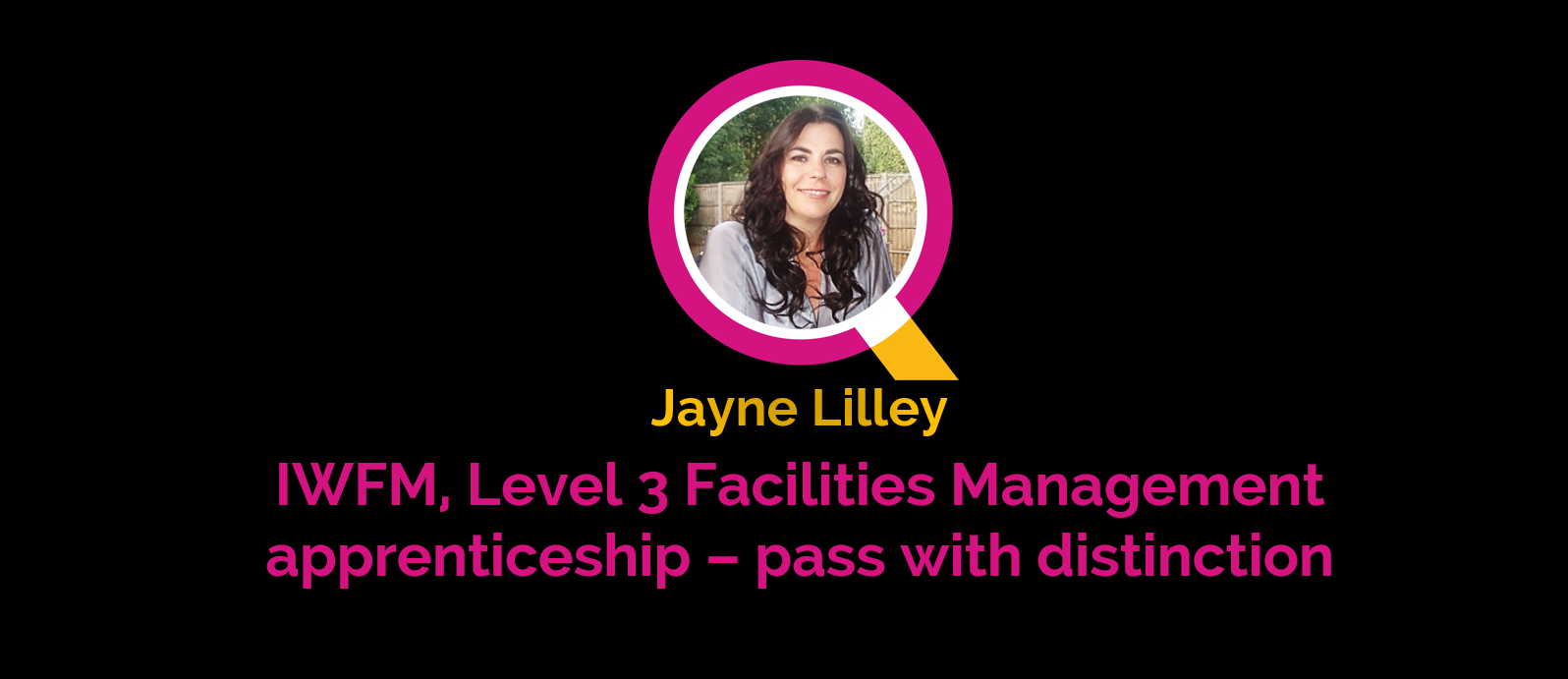
Jayne Lilley’s experience proves that in Facilities Management, you never stop learning

I started this assistant facilities manager role with Q3 in 2024 and I am responsible for overseeing FM on one of Catapult Satellite Application’s key sites, the Westcott Space Cluster. The position was newly created to provide greater focus, quicker decision-making and a stronger day-to-day presence on the site. Beforehand, one manager was responsible for both Westcott and another major site, which meant they had to share their time between both sites.

Although I’m employed by Q3, I work on site with Catapult every day. Being integrated means I’m closely involved with the people, buildings and activities on campus ­– a presence that is essential for managing such a complex and high-stakes environment.

Reactivity and a diverse range of facilities

One of my key responsibilities is responding quickly to any issue that arises. As many of the spaces here support high-value technical work, essential maintenance often can’t wait as it might be able to elsewhere.

Westcott is made up of a wide range of buildings with distinct purposes. The Westcott Innovation Centre includes a reception, meeting rooms and tenant spaces, but we also have a technical building that houses robots and 3D metal printers, a network development centre focused on advanced connectivity, and a drone port with large hangars.

Understanding the different requirements of each space is crucial. While faulty air conditioning in a meeting room is manageable, the stakes are much higher in a technical innovation space. Here, consistent asset output is paramount, as equipment must be maintained at very specific temperatures. Ultimately, knowing what to prioritise and when immediate action is required are both central to my role.

Because of this, constant monitoring takes up large parts of my day. I usually start with visual checks across every building. Some spaces may not have been entered by an engineer for a few days, so it’s important to ensure everything looks as it should. I check equipment levels and look out for leaks, especially during periods of bad weather.

A bridge between Q3 and Catapult

I often describe my role as the bridge between client and provider. Catapult is our client, so I’m responsible for making sure their needs are understood and met. At the same time, I feed information back to Q3 to ensure communication flows clearly in both directions, and we can optimise our service.

Being on site every day helps to build the trust needed to manage such highly technical and labour-intensive spaces. Catapult’s recent contract extension with Q3 has given me confidence that my role is strengthening our on-site operations and overall client relationship.

The value of formal FM training

Alongside my day-to-day duties, I’ve also been undertaking IWFM’s Level 3 qualification – something I was initially quite hesitant about. With 12 years of practical industry experience and some negative past experiences with education, the idea of returning to formal learning wasn’t particularly appealing.

Q3 and my IWFM tutor encouraged me to think differently. After honest discussions about my doubts, I decided that Level 3 would be a more comfortable starting point than the Level 4 course we had originally planned for.

I was genuinely surprised by how much I enjoyed it. Revisiting areas such as risk assessments and compliance proved extremely valuable, and I now approach familiar situations with a completely fresh mindset. It also highlighted how much legislation and best practice in FM continues to evolve.

The way the training is delivered made a significant difference too. While I was pessimistic about taking written exams, the value placed on projects, discussions and presentations really suited my preference for hands-on learning.

Overall, my advice to anyone considering IWFM training: be honest with your tutor or coach about what you’re comfortable with. Starting at Level 3 gave me the foundations and confidence I might not have gained straight away at Level 4. With that first course behind me, I now feel far more open to taking the next step.


Harry’s Insightful Work-Experience at Q3

A Week of Exploration and Learning

Harry, a Year 10 student from Bradley Stoke Community School, near Bristol, recently had the opportunity to participate in a work-experience programme at Q3. During a frantic but exciting week, Harry visited various key locations and met several important teams and directors, gaining invaluable insights into the world of business.

First up in Harry’s week was his visit to Chelsea Harbour, a prestigious multi-use office, retail and residential location next to the Thames. Harry gained a glimpse of life at the sharp end of a Facilities Management contract, working alongside the Q3 on-site engineers, who keep everything running smoothly 12 hours a day, seven days a week.

Another highlight was his time at the Q3 office in Theale, where Harry spent time with the finance team learning about the complex financial aspects of running a business and the intricacies involved in financial management.

He plans to pursue psychology and sociology at A level, and so Harry’s discussion with Alex Gavrilovic who heads the sales team, was of particular interest. Listening and understanding customer wants and needs is fundamental to Q3’s approach to winning business, so this was an area he found fascinating.

On the same day, Harry had the chance to meet the Board of Directors who gave him an understanding of the strategic decision-making processes that drive the company’s success. They were impressed with his inquisitive attitude commenting,

“Harry is a credit to himself and his family.”

“He prepared well and presented himself with ease.”

“Harry is intelligent and willing to learn and asked all the right questions about sales and productivity.”

An Aspiring Entrepreneur’s Perspective

Harry, who is interested in one day running his own business, found the work-experience programme to be highly beneficial and this programme provided him with a solid foundation to build upon.

When interviewed (see below) about his experience, Harry expressed the value of getting a 360o view of a business. He appreciated the strategic insights he gained, as well as the practical, hands-on experiences that allowed him to understand how a business operates from the inside.

Q&A with Harry about His Work Experience Visit to Q3

Did you do any prep for your visits?

Mainly getting questions ready. Understanding what individuals and teams do so I could ask informed questions.

What were the favourite bits of your visits to Q3?

I enjoyed all of it.  It was great meeting everyone – they were all very friendly and welcoming.

Did the visits teach you about the way business runs?

I have heard my mum on business calls, but meeting everyone face-to-face brought it all to life. It was interesting to learn how operations, sales and accounts operate and are managed and how the various departments interact with each other.

I understand that you have an interest in psychology and sociology – do you think they have a role to play in business?

In business, it’s become obvious to me that it’s important to read and understand what people need instead of what they just say – particularly in a service business like facilities management. Everyone works hard to get under the skin of the client and accommodate them and deliver something they value.

What did you think about the way Q3 operates?

The people are optimistic and positive. There was a joy about the place that is quite infectious. Everyone was happy to be there and contributing as part of a team. When there is that kind of feeling about a workplace it certainly helps get results.

Was it like you thought business really works?

I didn’t really know quite what to expect, so the work experience week was an eye opener and a crash course in how a business works. I have absorbed so much this week that I woke up this morning with a headache!

How did you get on with the sales team, and what did you learn from talking to them?

Sales is not a career aspiration but, because I ultimately want to run my own business, I knew I must understand how sales works. It’s such an interesting yet critical area because without sales, you don’t have a business for very long.

What about meeting the board of directors?

The whole leadership thing is fascinating. Martyn is such a great role model, providing clear goals for the team and moulding the culture and approach to business.

I suppose it’s easy when a business is growing, successful and everyone is happy, but I get the feeling that these people know what it takes to carry people with them and turn things around should things get tough.

Has this work experience influenced your thinking on choosing a career?

No, because I am pretty sure about my ambition to run my own business. However, the work experience week has provided a fantastic insight into everything that is needed to succeed. The importance of having the right people is what has left a lasting mark.

Benefits of Work-Experience Programmes

Work-experience programmes like the one Harry participated in at Q3 are invaluable for young people looking to get into business. These programmes offer students the opportunity to:

  • Gain practical experience and understand the day-to-day operations of a business
  • Develop strategic insights by observing and interacting with business leaders
  • Explore various career paths within the business world and identify areas of interest
  • Build confidence and develop essential skills such as communication, teamwork, and problem-solving

By providing students with real-world experiences, Q3 is helping to nurture the next generation of business leaders.

These programmes not only benefit the students but also contribute to the future success and innovation of the business community as a whole.

The only challenge facing the further adoption of programmes like this is the recent trend to remote, hybrid working which means for students like Harry, it is increasingly difficult to find a time and location where organisations can get everyone together for that important face-to-face time with the students.

Harry’s week at Q3 has undoubtedly inspired him and provided him with a clearer vision of his future career path. We look forward to seeing the great things he will achieve in the world of business.

Some thoughts from CEO Martyn Freeman on World FM Day

On World FM Day, the Facilities Management industry acknowledges our collective contribution to business and the global economy.

This annual event coincides with another celebration closer to home… we at Q3 are marking the 7th anniversary of the formation of the Q3 Services Group of companies.

We set ourselves a challenge in 2018 to become a trusted FM company, one that lives every day by its values of being open, honest, and transparent in everything that we do. In 2025, we’re particularly proud that we are succeeding in meeting those objectives – and more. In 2025, we entered the top 50 list of UK FM companies, measured by turnover, and if you were to assess that same list according to profitability, we would be much higher than many more established names.

This year’s theme for World FM day is “Resilience in Action: Thriving in a World of Change.” I like to think that it’s a mantra I could apply to the evolution of Q3.

In our short existence, we have had to adapt continuously to overcome challenges – from Covid, to the relentless advance of digital technology and AI, and tackling the growing sustainability issues associated with becoming a net-zero business. We have shown resilience in the face of all these challenges and embraced them through the application of hard work, teamwork, innovation, and imagination.

I’m extremely proud of the progress that has been achieved. Q3 has expanded consistently year-on-year, developed new services lines, grown its client portfolio to include some world-famous brands, while not losing our reputation for being a people business that’s totally flexible in our approach to satisfying the needs of our clients. And for that, I give my whole-hearted thanks to everyone at Q3.

I wish everybody who works in this wonderful FM industry all the very best on World FM Day and for the future. Let’s be proud of our contributions and our achievements.

The hidden compliance risks in your business – and how to fix them

Let’s be honest, compliance isn’t exactly the most exciting part of running a business. However, ignoring it can lead to some serious headaches, from hefty fines to unexpected disruptions that throw your whole operation off track. The good news? Most compliance risks are avoidable if you are prepared.

What are the biggest compliance risks?

One of the biggest hidden risks is expired insurance and accreditations. Businesses rely on insurance policies and professional credentials that often have expiration or renewal dates. If no one’s keeping an eye on these, you could let these lapse or expire, putting your business at legal and financial risk.

Another common pitfall is missed safety inspections. Fire safety checks, electrical audits, and workplace hazard assessments aren’t just boxes to tick – they’re legal requirements. A single missed inspection can put your employees at risk and result in serious fines.

Keeping track of compliance can also be a nightmare if you’re still relying on outdated spreadsheets or scattered paperwork. Without a central system, it’s easy to lose track of renewal dates, certificates, and legal requirements. On top of that, workplace safety laws and environmental regulations change all the time. Without someone monitoring these updates, businesses can quickly fall behind, leading to unintentional non-compliance.

Supplier management is another common pain point. Many businesses work with multiple vendors for cleaning, maintenance, and security, but if there’s no organised central system to track contracts and accreditations, things can easily slip through the cracks.

A proactive approach to compliance

Deploying a more flexible facilities management (FM) service delivery can make all the difference. With the right FM approach, businesses can have access to real-time visibility of their compliance status, ensuring that certifications, safety audits, and other critical requirements are always up to date.

A proactive FM service helps businesses stay ahead of renewals and inspections by providing timely reminders and expert support. Instead of worrying about supplier risks, businesses can work with a vetted network of service providers who maintain current insurance and accreditations, reducing the chance of compliance issues. Additionally, managing suppliers and invoices becomes much easier when everything is consolidated into a single, user-friendly system.

Successful partnership with Embark

Many businesses have already seen the benefits of shifting to a smarter FM strategy. Kay Smith, former Group HR Director at Embark, said:

“What started as a three-month contract turned into a two-year partnership because Q3 consistently went above and beyond. They became a trusted part of our team, delivering not only the basics of compliance and safety but also strategic input that elevated our facilities management approach and aligned with our broader business goals.”

Pete Doherty, a former senior leader at Embark, explained:

“Our business was going through a major integration following an acquisition, and the support from Q3 meant the one thing we never had to worry about was FM support. That allowed us to focus on our core business objectives, safe in the knowledge that our spaces were compliant with the latest regulations.”

Read more about this partnership in our Embark case study.

Do you know your compliance status?

If you’re not sure whether compliance is under control in your business, ask yourself: Do your properties meet all current health and safety regulations? Are your suppliers properly insured and accredited? Is there a central record of compliance certificates and renewal dates? Have you had a fire safety risk assessment in the past year? If you’re hesitating on any of these, it might be time to consider a flexible FM approach that can help take care of these crucial requirements.

For businesses that don’t want to commit to lengthy contracts but that are looking for a simple, reliable solution, Q3’s FM On Demand is an option worth exploring. Offering real-time tracking, proactive support as and when you need it, and streamlined management, FM On Demand takes the stress out of compliance so you can focus on what truly matters – growing your business. If you’re interested in learning more, get in touch today to book an initial assessment.

You can reach out via email at info@www.q3services.co.uk, by phone at 020 3855 4521, or visit fill out a quote enquiry form and we’ll get back to you.

FM without the overheads: How subscription-based services are changing FM

Agility is key in today’s commercial landscape. Companies need to be able to scale up or down as required, responding to evolving workplace needs and economic fluctuations. Traditional facilities management models have long been the standard, providing comprehensive support for businesses with predictable requirements. However, for many growing companies, these models aren’t always the right fit and greater flexibility and cost control is needed.

Subscription-based FM services is a new innovative alternative that can offer greater flexibility, scalability, and cost control.

Traditional FM models

Facilities management is a critical aspect of business operations, ensuring that buildings and workspaces remain functional, safe, and efficient. Traditionally, FM has operated on long-term contracts with fixed services and pricing agreements, often requiring businesses to commit to lengthy comprehensive packages.

While this approach works well for large enterprises with steady demands, it can be a burden for small and medium-sized businesses, or those experiencing fluctuations in workforce size and office space usage. With some providers it can mean customers may be locked into contracts that don’t align with their changing requirements, or they are paying for services they don’t always need.

As hybrid and remote working models prevail and businesses juggle costs to keep up with changes in legislation and increased operating costs, there is a growing demand for a more adaptable approach to facilities management.

The rise of subscription-based FM services

An ‘FM On Demand’ subscription-based model is transforming the way businesses manage their workspaces. Rather than committing to long-term contracts with fixed services, businesses can opt for a flexible, on-demand approach that adapts to their evolving needs. This modern model offers a number of key benefits:

Flexibility to choose what you need

One of the biggest advantages of a subscription-based FM model is that businesses only pay for the services they require. Whether it’s cleaning, maintenance, security, or workspace reconfiguration, companies can tailor their service package to suit their immediate needs. This level of flexibility allows businesses to remain agile, responding quickly to changes in operations without being tied to unnecessary costs.

Scalability to match business growth

As businesses expand, their facilities management requirements change. With a traditional FM contract, scaling up often means renegotiating terms or incurring additional costs for services that might not align perfectly with new demands. A subscription-based model, however, allows businesses to scale services up or down seamlessly whenever they need to. Whether opening a new office, downsizing to a smaller space, or adjusting cleaning schedules in response to occupancy levels, FM On Demand ensures businesses stay in control of their workspace needs.

Cost control and budget predictability

Budgeting for facilities management can be challenging, particularly for SMEs with fluctuating revenue streams. Traditional FM contracts often involve fixed monthly costs, making it difficult to adjust expenses when financial priorities shift. Subscription-based FM services, on the other hand, offer transparent pricing structures, allowing businesses to adjust spending based on real-time needs. This means no hidden fees or paying for services that aren’t actively being used.

Improved efficiency and resource allocation

When businesses have the ability to request FM services as needed, they can ensure that resources are allocated efficiently. Rather than having a one-size-fits-all approach, a subscription model allows for precise service delivery that aligns with actual workspace requirements. This not only optimises spending but also enhances overall operational efficiency.

How subscription-based FM works in practice

The transition to subscription-based FM is simple. Businesses sign up for a flexible FM plan that allows them to access services on demand. The model is designed to be adaptable, ensuring companies can make real-time adjustments based on evolving needs.

For example, consider a growing tech startup that initially operates out of a small co-working space. As the company expands and moves into a dedicated office, its FM requirements increase. Through a subscription-based FM model, the business can easily scale up services such as cleaning, maintenance, and office fit-outs without committing to long-term contracts. Conversely, if the company later adopts a hybrid working model and reduces office space, it can scale down FM services accordingly, ensuring cost-efficiency is maximised at every stage.

The future of facilities management

As businesses continue to prioritise flexibility, cost-efficiency, and sustainability, subscription-based FM models are likely to become an attractive choice. With the rise of remote and hybrid working arrangements, organisations need facilities management solutions that adapt to changing workplace dynamics.

FM On Demand’s approach to subscription-based services aligns perfectly with modern business needs, providing a tailored, cost-effective solution that eliminates unnecessary overheads. By embracing this model, companies can take a more strategic approach to workspace management, ensuring that every pound spent contributes directly to operational efficiency and business success.

Changing landscape

Traditional FM models have long been the norm, but they are no longer the only option. Subscription-based FM services like Q3 On Demand are revolutionising the industry, offering businesses the ability to stay agile, control costs, and scale services as needed. For growing businesses looking to optimise their workspace without unnecessary financial burdens, Q3’s FM On Demand presents a compelling solution.

If your business could benefit from facilities management support on demand, consider making the switch to a subscription-based model. The flexibility, efficiency, and cost savings could be exactly what your organisation needs to thrive in today’s dynamic work environment.

Contact us today to talk to us about our Q3 On Demand solution. It could provide the assurance that your business needs. See how some of our clients have benefitted from FM on Demand.

From WeWork to your own office: Navigating FM challenges in a new space

For many growing businesses, moving from a shared workspace to a dedicated office is an exciting milestone. It signals expansion, greater autonomy, and the ability to create a working environment tailored to your company’s needs. However, the transition also brings new responsibilities – ones that many business owners may not have encountered before.

In a shared space, everything from cleaning and maintenance to security and compliance is managed behind the scenes. The Wi-Fi just works, the lights stay on, and if something breaks, someone else is responsible for fixing it. But once you move into your own premises, those operational tasks fall to you. Suddenly, you need to ensure the building remains safe, compliant, and fit for purpose – all while running your business.

This shift can be overwhelming, especially for businesses without an in-house facilities management (FM) team. Ensuring that fire safety checks are carried out, contracts with service providers are managed, legislation is adhered to, and reactive repairs are handled promptly requires both time and expertise. It’s no surprise that many companies find themselves struggling with unexpected costs, inefficient maintenance, or even compliance risks in the early days of managing their own office.

The hidden challenges of managing your own office

One of the first challenges business leaders encounter is maintenance and repairs. In a shared space, problems are logged with the provider and quickly resolved. But in your own office, every repair – whether it’s a leaky tap, a faulty HVAC system, or a power outage – needs to be managed and paid for. Without a structured plan, maintenance can become reactive, leading to higher costs and avoidable disruptions.

Another major hurdle is compliance. Employers are legally responsible for ensuring their workplaces meet health and safety standards, but many new office occupiers are unaware of their obligations. From fire risk assessments and electrical safety checks to lift maintenance and legionella testing, keeping up with regulations can be a minefield. Failure to comply doesn’t just risk fines – it could endanger employees and affect business continuity.

Security and access management can also present unexpected complications. While shared workspaces have controlled access systems and security teams, moving into a private office means making decisions about everything from CCTV coverage to key fob systems. Without the right setup, businesses could be left vulnerable to security breaches or unauthorised access.

On top of this, workspace optimisation becomes an entirely new challenge. In a shared office, the provider ensures the space is designed for productivity, with meeting rooms, breakout areas, and ergonomic workstations. But in a standalone office, businesses must plan layouts, furniture, and space utilisation themselves, often without expertise in workplace design.

How a flexible FM service can help

This is where a flexible FM service can be invaluable. Instead of hiring an in-house FM team or relying on multiple service providers, businesses can access professional support as and when they need it. A flexible FM model allows companies to scale services up or down depending on demand, ensuring they only pay for what they use.

One of the biggest advantages of a flexible FM approach is cost efficiency. Managing facilities independently often leads to unexpected expenses, from emergency repairs to compliance-related fines. A structured FM service helps businesses plan and budget more effectively, reducing the risk of sudden financial shocks.

It also removes the burden of compliance. With an FM provider handling safety checks, risk assessments, and regulatory requirements, businesses can be confident they are meeting legal obligations without having to navigate complex legislation themselves.

Proactive maintenance and supplier management are also key benefits. Instead of scrambling to find a plumber when a pipe bursts or dealing with unreliable cleaning providers, businesses using a flexible FM service gain access to a vetted network of trusted suppliers. This ensures high-quality service delivery without the hassle of managing multiple contracts.

Beyond the practicalities, a well-managed office has a direct impact on employee wellbeing and productivity. Research has shown that well-maintained work environments contribute to employee satisfaction and performance. A well-run office isn’t just about ticking boxes, but about creating a space where people can do their best work.

Making the transition smoother

For businesses planning their move, the key to a smooth transition is preparation. Identifying potential challenges early and securing the right support can prevent costly mistakes. A flexible FM service offers peace of mind, ensuring that as businesses settle into their new space, they can focus on growth rather than operational headaches.

Moving into your own office should be an exciting step forward, not a source of stress. With the right approach to facilities management, businesses can enjoy the benefits of their new workspace without the burden of unexpected responsibilities.

Flexible FM support

We created ‘FM on Demand’ to support businesses as much – or as little – as they need. Read our case studies on how we’ve successfully supported Embark and Chelsea Harbour with FM on Demand, or contact us to discuss how we can support your business.