Channel Islands


 Accessibility
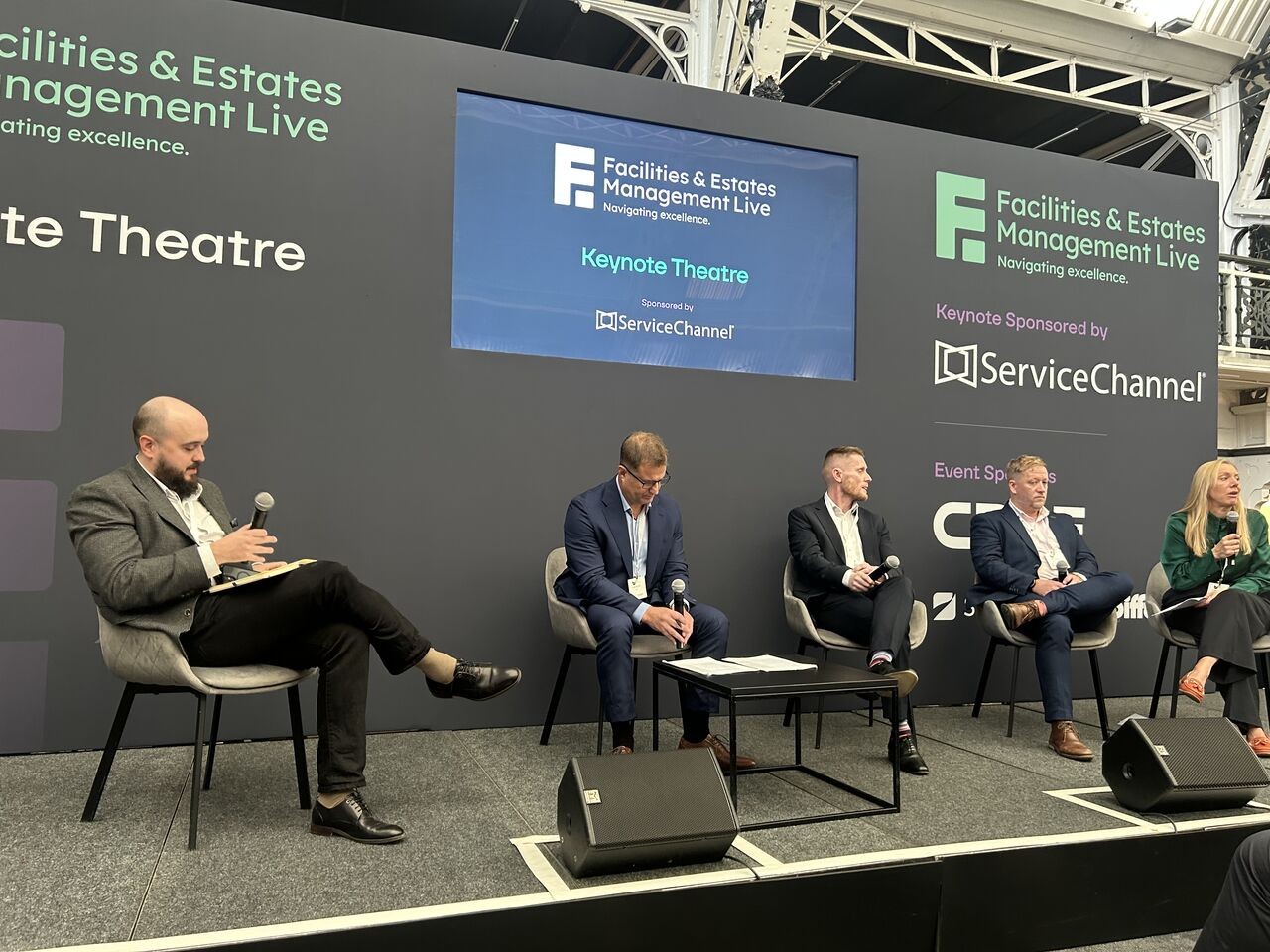
Following his participation in a panel debate at Facilities and Estates Management LIVE, Stuart Bellew talks more about why FM is not just about offices
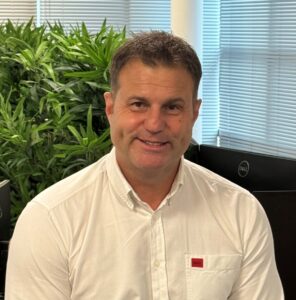
Stuart Bellew, Chief Operating Officer, Q3
I recently joined a panel at Facilities & Estates Management Live to discuss a subject that deserves more attention: “Facilities management is not just offices.” It was an interesting debate, with a wealth of experience and knowledge around the panel. Time was limited, so here are my more considered thoughts on why the conversation matters and why broadening it means more than simply adding a few different building types to the discussion.
For me, the issue is not whether offices matter. Of course they do. It is whether we have allowed one part of our industry to become the default setting for how we describe, debate and value the whole of it. When offices become the reference point for everything facilities management, we risk missing both the complexity of FM elsewhere and the contribution it makes to everyday life.
Start with what a place is there to do
Some of the most iconic places I have looked after during my FM career include The 02 Arena, the Tower of London, Buckingham Palace and Chelsea Harbour. They are hardly a portfolio of office blocks. But they are a reminder that FM operates in places with very different purposes, expectations and demands.
A school exists to educate. An arena venue exists to host events. A mixed-use estate brings together residents, businesses, guests and visitors, whose needs do not necessarily fit neatly together. The fundamentals of safety, standards and compliance remain, but how we deliver them must reflect what each place is there to do.
Take Chelsea Harbour. With its Design Centre, hotel, marina, homes and offices, it cannot be understood through a single workplace lens. Supporting an event, maintaining the estate and looking after the resident and visitor experience are separate but connected parts of the service. Similarly, school cleaning must work around the school day and the academic calendar, not a generic specification lifted from another environment.
That is why I believe the first question should be “What does this place need to achieve?” rather than “What services should we supply?” At Q3, that means understanding the client and the site first, before proposing the solution. The building’s purpose should shape the service, not the other way round. We have always worked that way at Q3.
People are the point, it’s not a cliché!
“FM is about people,” is said so often that it can sound like a bit of a cliché. Yet it remains the most useful way of understanding what we do. The test of a service is not simply whether a task has been completed. It is whether the people using that place can get on with what they came there to do.
We sometimes talk about FM as the invisible army working diligently out of sight – and only noticed when things go wrong! I understand the sentiment. Nobody wants disruption. But there is a difference between a service running unobtrusively and its contribution being overlooked. You only have to imagine a school, shopping centre or visitor destination without its cleaning and maintenance services to see how quickly that distinction matters.
Looking beyond offices helps make that analysis clearer. The people who experience FM are not just employees at desks. They are the pupils, residents, shoppers, hotel guests and visitors. Their experiences differ, but each depends on people doing essential work well. Describing that work as a background cost misses its connection to the purpose of the place.
We missed an opportunity to change the conversation
One point I made during the panel was that, in my view, our industry missed an opportunity during Covid. Cleaning was elevated beyond being just a basic service and was recognised as fundamental to health, safety and wellbeing. Its importance was visible in a way that it had too often not been before.
I do not think we turned that recognition into a lasting change in how the service is understood and procured. Instead, too much of the conversation has slipped back towards treating cleaning as a commodity. The question becomes how cost effective a defined area can be cleaned, rather than what standard the environment requires and what that service enables.
This is not a separate issue from the panel’s title. It is part of the same problem. If we describe FM too narrowly, we make it easier to buy it too narrowly. Looking at the service through the needs of a school, a marina or an events-led estate makes the limitations of a standardised, price-only approach much harder to ignore.
A square-metre rate is not the whole story
If the extent of a procurement conversation is a spreadsheet asking us to insert a rate per square metre, we are being invited to compete as a commodity. That spreadsheet may help compare prices on its own, it cannot explain whether the proposed service is right for the place.
It does not tell the whole story about who uses the space, when work can happen, the skills needed or what disruption would mean. Those are not peripheral details to be considered after the price is agreed. They are the basis of a workable service.
Of course, cost matters. Clients need value for money, and providers need to demonstrate it. But that requires a discussion about outcomes as well as inputs. A lower rate tells us little if the service does not support the site’s purpose. Equally, providers cannot simply insist that FM is valuable – we have to explain its contribution in terms that matter to each client.
A wider conversation, not another dividing line
I am not arguing that office FM has nothing to teach other sectors, or that every environment needs to start from scratch. Leadership, communication, safety and a willingness to understand the client travel well. What does not travel so easily is a ready-made assumption about how a place operates or what success looks like.
The value of a discussion like the one at Facilities & Estates Management Live is that it challenges those assumptions. We should keep doing that beyond the panel by asking whose experience is missing from the debate, what other sectors can teach us and whether the way we buy FM reflects the value we expect it to deliver.
Facilities management is not just offices. It is about enabling places to fulfil their purpose and people to get on with their lives. If we want our contribution to be understood, that is probably where the conversation needs to start.